

Why Gym Equipment Safety Should Be a Top Priority
Whether you operate a commercial gym or a home fitness setup, the condition of your equipment directly affects the safety of every user. Worn cables, loose bolts, degraded belts, and unlubricated components are not just performance issues — they are injury risks. A single equipment failure during a heavy lift or high-speed cardio session can result in serious harm.
Gym equipment is engineered to perform under repeated mechanical stress. Over time, that stress accumulates. Without a structured gym equipment maintenance programme, even premium machines will degrade faster than expected — and often without visible warning signs until it's too late.
For commercial facilities, the stakes are even higher. Liability exposure, reputational damage, and regulatory compliance all hinge on the condition of your equipment. Preventive maintenance is not a cost — it is risk management.
Common Risks of Poorly Maintained Gym Equipment
Neglecting regular servicing creates a cascade of risks that compound over time:
- Mechanical failure under load — Frayed cables, cracked welds, or worn pulleys can snap during use, causing sudden drops or loss of control.
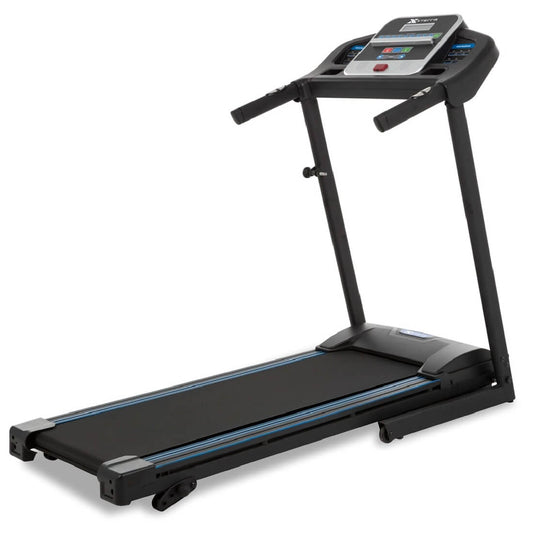
- Belt slippage on treadmills — A misaligned or worn treadmill belt can cause users to lose footing at speed, leading to falls and injuries.
- Electrical hazards — Cardio equipment with damaged wiring or faulty control boards poses fire and electrocution risks.
- Bearing and joint wear — Unlubricated bearings create friction, heat, and eventual seizure — often mid-use.
- Structural fatigue — Frames and welds on strength equipment can develop micro-cracks that are invisible to the naked eye but catastrophic under load.
- Hygiene risks — Deteriorating upholstery and foam padding harbour bacteria and mould, creating health hazards for users.
Each of these risks is largely preventable with a consistent preventive maintenance gym equipment schedule.
What Does Professional Gym Equipment Servicing Include?
Professional fitness equipment servicing goes well beyond a wipe-down. A qualified technician will conduct a systematic inspection and service across mechanical, electrical, and structural components. Here is what a comprehensive service typically covers:
- Treadmill servicing — Belt alignment and tension adjustment, deck lubrication, motor inspection, console diagnostics, and roller bearing checks.
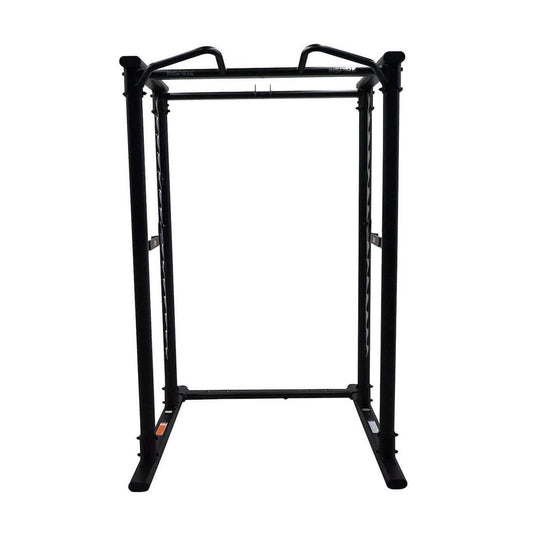
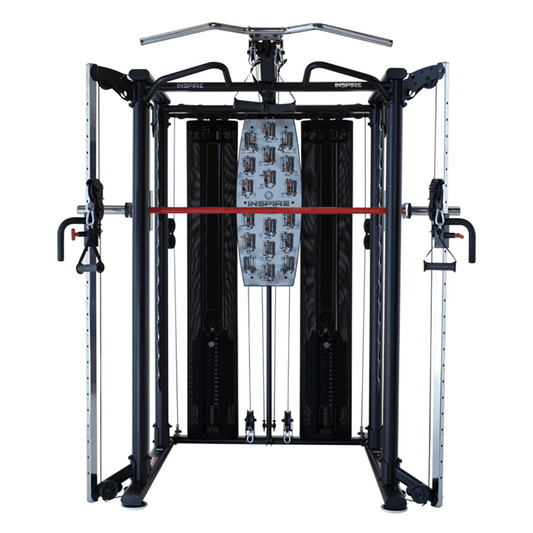
- Strength equipment inspection — Cable and pulley integrity checks, weight stack pin and guide rod inspection, upholstery assessment, and frame weld examination.
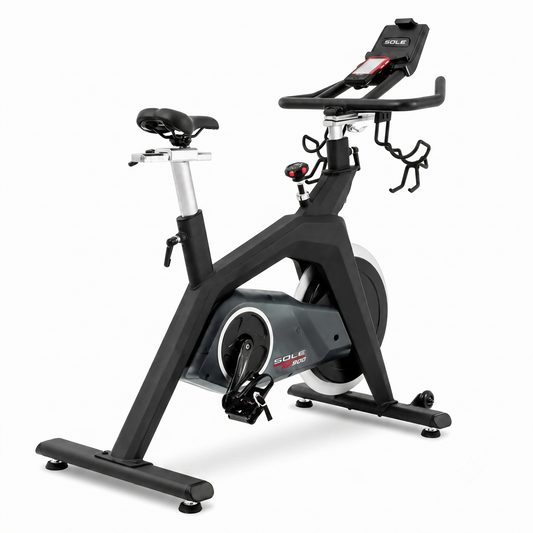
- Cardio equipment diagnostics — Resistance mechanism calibration (bikes, ellipticals, rowers), electronic console testing, and drive belt inspection.
- Lubrication and cleaning — Application of manufacturer-specified lubricants to all moving parts, cleaning of internal components, and removal of dust and debris from motors and fans.
- Fastener torque checks — Tightening of all bolts, screws, and structural connections to manufacturer specifications.
- Safety compliance reporting — Documentation of equipment condition, flagging of parts requiring replacement, and service records for audit purposes.
For commercial operators, professional gym equipment repair services also include parts sourcing and replacement, minimising equipment downtime and keeping your floor fully operational.
How Regular Maintenance Improves Equipment Lifespan & Performance
The relationship between maintenance frequency and equipment longevity is well established. Machines that receive regular servicing consistently outlast neglected counterparts — often by years. Here is why:
- Reduced wear accumulation — Lubrication and alignment corrections prevent the micro-damage that compounds into major failures.
- Early fault detection — Technicians identify worn components before they fail, allowing planned replacement rather than emergency repair.
- Preserved calibration — Resistance levels, speed accuracy, and weight stack consistency are maintained, ensuring users get the performance they expect.
- Warranty compliance — Many manufacturers require documented service records to honour warranty claims. Skipping maintenance can void coverage.
- Lower total cost of ownership — Preventive servicing costs a fraction of major repairs or full equipment replacement.
For home gym owners, this means protecting a significant capital investment. For commercial gym maintenance operators, it means maximising asset utilisation and minimising revenue-impacting downtime.
Recommended Gym Equipment Maintenance Schedule
A practical gym safety maintenance schedule should be tiered by frequency, based on usage intensity and equipment type. The following framework applies to most commercial and home gym environments:
- Weekly — Wipe down all surfaces with appropriate disinfectant. Inspect cables, straps, and upholstery for visible damage. Check that all weight stacks move freely.
- Monthly — Lubricate treadmill decks and belts. Check belt tension and alignment. Inspect cardio equipment consoles and resistance mechanisms. Tighten all accessible fasteners.
- Quarterly — Full mechanical inspection of all strength and cardio equipment. Motor and drive belt checks on treadmills and bikes. Bearing and pulley assessment. Upholstery and padding condition review.
- Annually — Comprehensive professional service by a certified technician. Full structural inspection, electrical safety testing, parts replacement as required, and service documentation update.
High-traffic commercial facilities should consider semi-annual professional servicing as a minimum standard, with monthly technician visits for equipment under heavy daily use.
Choosing the Right Gym Equipment Maintenance Service Provider
Not all fitness equipment maintenance services are equal. When evaluating a provider, consider the following criteria:
- Brand authorisation — Technicians trained and certified by the equipment manufacturer will have access to correct parts, service manuals, and calibration specifications.
- Response time — For commercial operators, fast turnaround on repairs is critical. Confirm SLA commitments before engaging a provider.
- Service documentation — A reputable provider will issue detailed service reports after every visit, which are essential for warranty compliance and liability management.
- Parts availability — Confirm the provider stocks or can source genuine OEM parts for your specific equipment brands and models.
- Preventive maintenance contracts — Structured service agreements offer cost predictability and ensure your equipment is serviced on schedule, not just when something breaks.
At Sole Fitness Singapore, our gym equipment servicing and maintenance programme is designed to keep your equipment performing at its best — safely, reliably, and in compliance with manufacturer standards. Whether you manage a commercial facility or a premium home gym, our certified technicians provide the expertise your equipment demands.
Do not wait for a breakdown to take maintenance seriously. Contact our servicing team to schedule an assessment or discuss a preventive maintenance contract tailored to your facility.