

Introduction: Why Rehabilitation Equipment Matters in Every Gym
Injury is an inevitable part of an active lifestyle — but recovery doesn't have to mean stepping away from the gym entirely. Whether you manage a commercial fitness facility, a boutique studio, or a home gym, having the right rehabilitation equipment on hand transforms your space into a complete wellness environment.
Modern gym-goers expect more than just barbells and treadmills. They want spaces that support their entire fitness journey — including recovery. Facilities that invest in gym rehabilitation equipment see higher member retention, fewer dropout rates during injury periods, and a stronger reputation as a holistic training destination.
In this guide, we cover everything you need to know: the benefits of rehab equipment, the must-have pieces for any gym, how to design a dedicated rehabilitation zone, and how to choose the right equipment for your specific facility.
Benefits of Rehabilitation Equipment for Members & Athletes
Investing in physiotherapy equipment for gym environments delivers measurable benefits for both members and operators:
- Faster return to training: Structured rehabilitation reduces downtime after injury. Members who can continue low-impact training during recovery are more likely to stay engaged and maintain their fitness base.
- Injury prevention: Mobility work, foam rolling, and resistance band training strengthen stabiliser muscles and improve joint health — reducing the risk of future injuries.
- Broader member appeal: Low impact gym equipment for recovery attracts older adults, post-surgical patients, and beginners who may feel intimidated by traditional strength equipment.
- Differentiation: A dedicated rehab zone signals that your facility takes member wellbeing seriously — a powerful differentiator in a competitive market.
- Revenue opportunities: Rehabilitation zones open the door to physiotherapy partnerships, personal training specialisations, and premium recovery programmes.
Must-Have Rehabilitation Equipment for Every Gym
Below are the core categories of injury recovery equipment that every well-equipped gym should consider.
1. Foam Rollers & Massage Tools
Foam rollers are the cornerstone of any recovery toolkit. They support myofascial release, reduce muscle soreness, and improve circulation. Pair them with massage balls and percussion devices for a comprehensive soft-tissue recovery station.
2. Resistance Bands & Elastic Tubing
Resistance bands are among the most versatile pieces of rehab fitness equipment available. They allow progressive loading with minimal joint stress — ideal for rebuilding strength after injury. They're equally effective for warm-up activation and mobility work.
3. Balance & Proprioception Equipment
Balance boards, wobble cushions, and BOSU balls train proprioception — the body's ability to sense its position in space. This is critical for ankle, knee, and hip rehabilitation, and for preventing re-injury in athletes returning to sport.
4. Low-Impact Cardio Machines
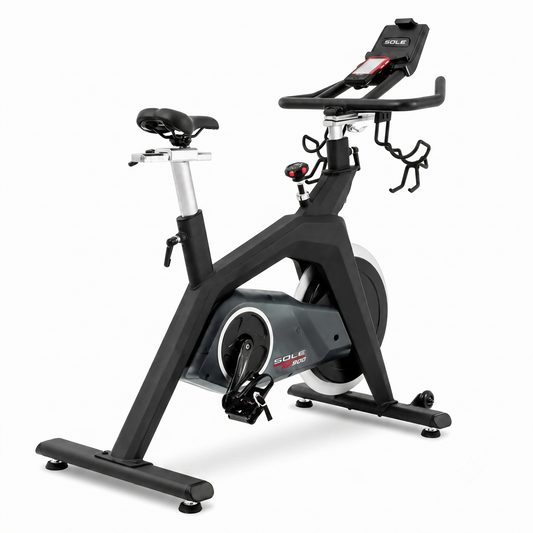
Post injury workout equipment must allow cardiovascular conditioning without high joint impact. Recumbent bikes, upper body ergometers (UBEs), and seated ellipticals are excellent options. They maintain aerobic fitness during recovery without stressing injured lower-body structures.
5. Suspension Trainers (TRX-Style)
Suspension trainers enable bodyweight-based rehabilitation with adjustable difficulty. They're particularly effective for core stabilisation, shoulder rehabilitation, and functional movement retraining.
6. Stretching & Mobility Aids
Stretching straps, yoga blocks, and mobility sticks support flexibility work and guided stretching routines. These are essential for mobility and recovery equipment stations and are widely used in physiotherapy protocols.
7. Hydrotherapy & Compression Tools
For premium facilities, contrast therapy tools (ice baths, compression boots, and infrared options) represent the cutting edge of recovery science. These are increasingly expected in high-performance and sports-focused gyms.
8. Functional Movement Equipment
Parallette bars, agility ladders, and step platforms support functional rehabilitation — retraining movement patterns that are disrupted by injury. These bridge the gap between clinical physiotherapy and return-to-sport training.
How to Create a Dedicated Rehabilitation Zone in Your Gym
A well-designed rehabilitation zone doesn't require a large footprint — but it does require intentional planning. Here's how to approach it:
- Location: Position the rehab zone away from high-intensity training areas. A quieter corner or a semi-enclosed space reduces noise and distraction, creating a more therapeutic environment.
- Flooring: Use high-density foam or rubber matting that provides cushioning and grip. This is non-negotiable for floor-based rehabilitation exercises.
- Equipment layout: Organise by function — soft tissue tools, mobility aids, resistance equipment, and cardio machines. Clear signage helps members navigate the zone independently.
- Mirrors: Full-length mirrors allow members and trainers to monitor movement quality and form during rehabilitation exercises.
- Accessibility: Ensure the zone is accessible to members with limited mobility. Wide pathways, low-profile equipment, and adjustable benches are key considerations.
- Hygiene stations: Place sanitiser dispensers and wipe stations throughout the zone. Recovery equipment is used in close contact with the body and must be kept clean.
Rehabilitation Training for Different Users (Beginners to Athletes)
Effective physical therapy equipment for fitness centers must serve a wide spectrum of users. Here's how to think about programming across different populations:
Beginners & Older Adults
Focus on low-impact cardio, seated resistance training, and guided stretching. Resistance bands, recumbent bikes, and foam rollers are ideal starting points. Prioritise safety, simplicity, and confidence-building.
Post-Surgical & Injury Recovery Clients
These members require structured, progressive protocols — ideally developed in collaboration with a physiotherapist. Equipment should support isolated muscle activation, joint mobility, and gradual load progression. Suspension trainers, balance boards, and elastic tubing are particularly valuable here.
Recreational Athletes
Recreational athletes benefit from prehabilitation (injury prevention) as much as rehabilitation. Incorporate mobility work, proprioception training, and soft-tissue recovery into their regular programming using the full range of rehabilitation equipment for home gym and commercial settings.
High-Performance & Elite Athletes
Elite athletes demand the most sophisticated recovery protocols. Compression therapy, contrast bathing, neuromuscular electrical stimulation (NMES), and advanced functional movement training are appropriate at this level. Partner with sports medicine professionals to design evidence-based programmes.
How to Choose the Right Rehabilitation Equipment for Your Gym
Selecting the right rehabilitation equipment requires balancing your member demographics, available space, budget, and long-term facility goals. Consider the following framework:
- Assess your member base: Are your members primarily recreational gym-goers, competitive athletes, or older adults? Your equipment mix should reflect their most common rehabilitation needs.
- Start with versatile essentials: Foam rollers, resistance bands, and balance tools deliver high value at low cost. Build your rehab zone around these before investing in premium equipment.
- Prioritise durability: Commercial-grade rehabilitation equipment must withstand daily use across multiple members. Choose suppliers who offer commercial warranties and local service support.
- Consider space efficiency: Many rehabilitation tools are compact and can be stored on wall-mounted racks or in dedicated storage units. Plan your layout before purchasing.
- Partner with professionals: Engage a physiotherapist or sports rehabilitation specialist to advise on equipment selection and help design programming for your rehab zone.
- Plan for growth: Start with a core selection and expand as demand grows. A modular approach allows you to scale your rehabilitation offering without a large upfront investment.
Ready to build out your gym's rehabilitation zone? Explore our full range of rehabilitation equipment at Sole Fitness Singapore — commercial-grade tools designed for performance, durability, and recovery.