


As people age, maintaining mobility, balance, and strength becomes essential for independence and quality of life. Home rehab for seniors offers a safe, convenient way to stay active, recover from injuries, and manage age-related conditions without frequent clinic visits.
Why Home Rehabilitation Is Important for Seniors
Home-based rehabilitation helps seniors improve flexibility, joint health, and circulation while reducing the risk of falls. It’s especially beneficial for those recovering from surgery, managing arthritis, or experiencing reduced mobility. Regular, gentle movement supports confidence and long-term physical wellbeing.
Safety First: Key Guidelines for Senior Rehab Workouts
Safety should always come first. Seniors should:
-
Get medical approval before starting any rehab routine
-
Warm up and cool down properly
-
Use stable support and non-slip surfaces
-
Move at a slow, controlled pace
-
Stop immediately if they feel pain, dizziness, or shortness of breath
These steps ensure safe workouts for seniors at home.
Best Low-Impact Rehab Exercises for Seniors at Home
Low-impact exercises are ideal for aging joints and muscles. Effective options include:
-
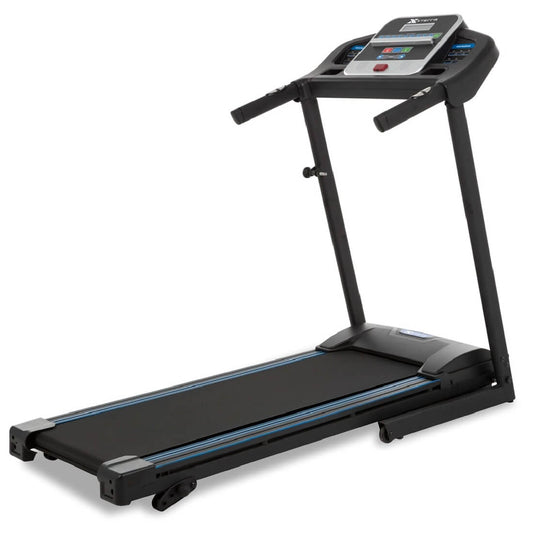
Gentle walking or assisted treadmill walking
-
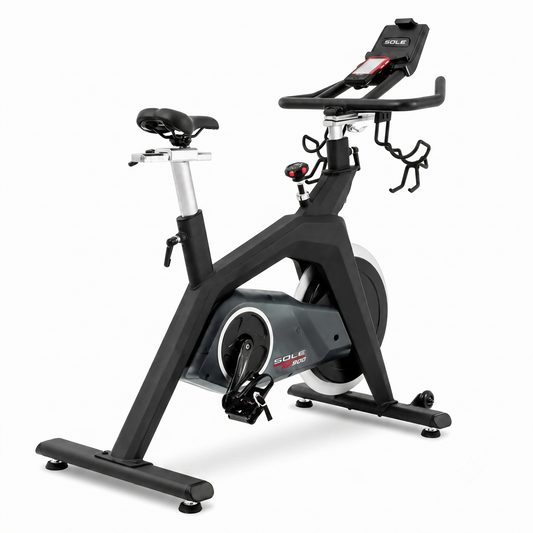
Seated pedal exercises for knee and hip mobility
-
Shoulder and arm mobility movements
-
Light stretching to improve flexibility
These senior rehabilitation exercises at home help maintain strength without putting stress on the body.
Recommended Rehabilitation Equipment for Senior Home Use
Using the right tools makes rehab safer and more effective. Common home physiotherapy equipment for seniors includes:
-
Walking-assist treadmills with safety rails
-
Pedal exercisers for seated workouts
-
Shoulder wheels and upper-limb rehab tools
-
Foam rollers and massage tools for recovery
Choosing proper rehabilitation equipment for seniors supports consistent progress.
Sample Weekly Home Rehab Routine for Seniors
A simple routine may include:
-
3–5 days/week: 15–30 minutes of low-impact movement
-
Mobility days: Pedal exercises and shoulder mobility
-
Recovery days: Light stretching and massage tools
Always include rest days and increase intensity gradually.
When to Adjust or Stop Rehab Exercises
Exercises should be adjusted or stopped if there is sharp pain, swelling, fatigue, or loss of balance. For post-injury rehab for seniors, consulting a physiotherapist ensures safe progression and prevents setbacks.
Conclusion
With the right guidance and equipment, elderly fitness and rehabilitation at home can be both safe and effective. A structured approach to senior mobility exercises helps seniors stay active, independent, and confident—right from the comfort of home.