

Choosing the right gym flooring thickness is one of the most important — and most overlooked — decisions when setting up a fitness space. Too thin, and you risk damaging your subfloor, injuring yourself, or wearing out your flooring prematurely. Too thick, and you're spending more than you need to.
This gym flooring thickness guide breaks down exactly what you need, room by room, equipment by equipment — so you can make a confident, informed choice for your home gym or commercial facility in Singapore.
1. Why Gym Flooring Thickness Matters
Gym flooring isn't just about aesthetics. The thickness of your rubber gym flooring directly affects:
- Impact absorption — Thicker flooring cushions dropped weights and reduces joint stress during high-impact workouts.
- Subfloor protection — Protects tiles, hardwood, or concrete from cracks, dents, and moisture damage.
- Equipment stability — Heavier machines like treadmills and power racks need a firm, stable base to prevent rocking or shifting.
- Noise and vibration reduction — Critical in HDB flats, condominiums, and multi-storey commercial gyms in Singapore.
- Longevity — Thicker rubber gym mats withstand repeated heavy use without compressing or cracking over time.
Getting the thickness right from the start saves you money on replacements and protects both your investment and your space.
2. Recommended Gym Flooring Thickness by Room Type
Home Gym (HDB / Condo)
For most home gym setups in Singapore, 10mm to 20mm rubber gym flooring is sufficient for general fitness activities. If you're lifting heavy or dropping weights, step up to 30mm. Noise transmission to neighbours is a key concern — thicker flooring helps significantly.
- Light cardio, yoga, stretching: 10mm
- Dumbbells, kettlebells, functional training: 20mm
- Barbell training, moderate drops: 30mm
Garage Gym
Garage floors are typically concrete, which is unforgiving on joints and equipment. A minimum of 20mm is recommended, with 30mm–40mm for serious lifting zones.
Commercial Gym
Commercial gym flooring must withstand constant, heavy use from multiple users daily. Heavy-duty gym flooring of 30mm to 50mm is the standard for free weight areas, with 15mm–20mm acceptable for cardio zones.
- Cardio zone: 10mm–20mm
- Functional training / group fitness: 20mm–30mm
- Free weights / powerlifting: 40mm–50mm
Outdoor / Multi-Purpose Space
For outdoor or semi-outdoor setups, choose UV-resistant rubber tiles of at least 20mm to handle weather exposure and uneven surfaces.
3. Best Flooring Thickness for Different Types of Exercise Equipment
Gym Flooring for Treadmills
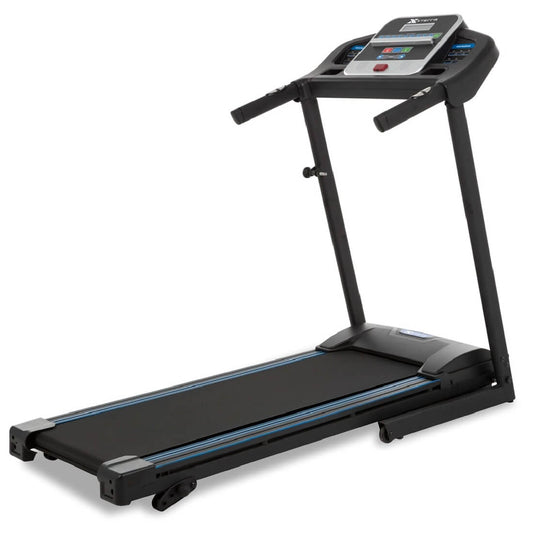
Treadmills generate consistent vibration and motor noise. A 10mm–15mm equipment mat directly under the treadmill is often sufficient, but if you're placing it on a hard floor, use 15mm–20mm rubber gym flooring underneath for vibration dampening and subfloor protection.
Gym Flooring for Weightlifting
This is where thickness really matters. For Olympic lifting with dropped barbells, you need a minimum of 30mm — ideally 40mm–50mm in the landing zone. This protects both the barbell and your subfloor from repeated impact.
Stationary Bikes & Ellipticals
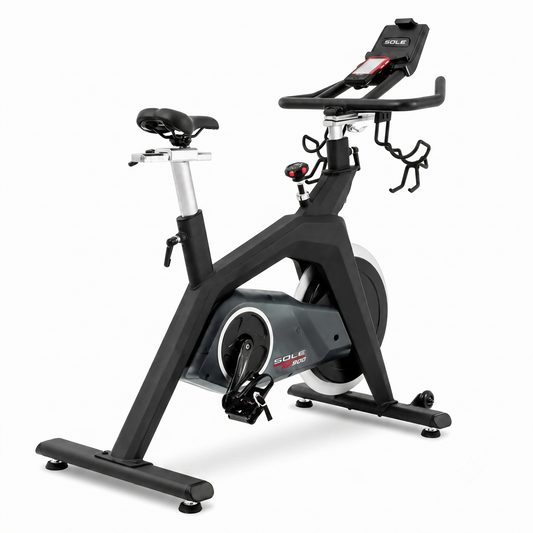
These machines have minimal impact. 10mm–20mm is adequate for vibration control and floor protection.
Power Racks & Squat Racks
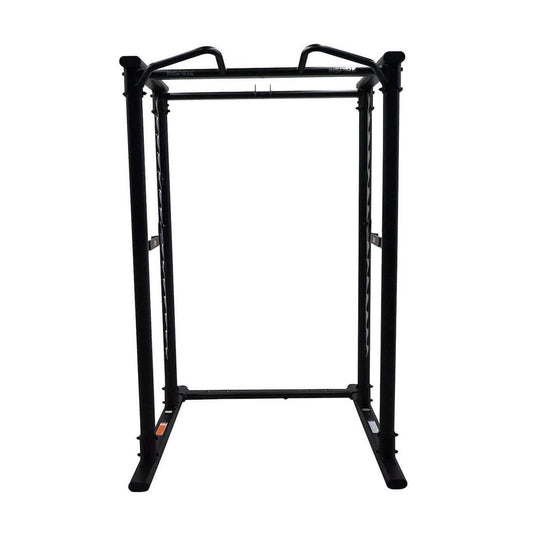
Stability is the priority. Use 20mm–30mm rubber flooring to prevent the rack from shifting and to protect the floor from the rack's feet under load.
Functional Training (Battle Ropes, Sleds, Plyometrics)
High-impact, multi-directional movement requires 20mm–30mm of cushioning to protect joints and the subfloor.
4. Comparing 10mm, 20mm, 30mm, 40mm, and 50mm Rubber Gym Flooring
| Thickness | Best For | Impact Absorption | Noise Reduction | Typical Use Case |
|---|---|---|---|---|
| 10mm | Light cardio, yoga, stretching | Low–Moderate | Moderate | Home gym cardio zone, studio |
| 20mm | Dumbbells, kettlebells, machines | Moderate | Good | Home gym, boutique studio |
| 30mm | Barbell training, moderate drops | Good | Very Good | Garage gym, commercial free weights |
| 40mm | Heavy lifting, powerlifting | Very Good | Excellent | Commercial gym, serious home gym |
| 50mm | Olympic lifting, heavy drops | Excellent | Excellent | High-performance commercial gym |
Note: Thicker flooring also adds height to your space — factor this in for rooms with low ceilings or equipment with height clearance requirements.
5. Common Mistakes to Avoid When Choosing Gym Flooring Thickness
❌ Going Too Thin to Save Money
Underestimating your needs leads to premature wear, subfloor damage, and noise complaints — especially in Singapore's high-density residential buildings. The cost of replacing flooring or repairing a damaged subfloor far exceeds the savings from buying thinner mats.
❌ Using the Same Thickness Across All Zones
A one-size-fits-all approach wastes money in low-impact zones and under-protects high-impact areas. Zone your flooring based on activity type.
❌ Ignoring Subfloor Type
Concrete subfloors are harder and less forgiving — they require thicker flooring than timber or raised subfloors. Always assess what's underneath before choosing your thickness.
❌ Overlooking Interlocking Tile Compatibility
When mixing interlocking gym tiles of different thicknesses, ensure transitions are smooth to prevent trip hazards. Stick to one thickness per zone where possible.
❌ Not Accounting for Equipment Weight
A 200kg power rack loaded with plates exerts enormous point pressure. Thin flooring will compress and deform under sustained heavy loads — always match thickness to the heaviest equipment in the zone.
❌ Skipping a Test Area
For large commercial installations, always test a sample area first to confirm the flooring performs as expected under real conditions.
6. Choosing the Right Gym Flooring for Your Fitness Space
Here's a quick decision framework to guide your final choice:
- Identify your heaviest activity — This sets your minimum thickness requirement.
- Assess your subfloor — Concrete needs more cushioning than timber.
- Consider noise sensitivity — HDB and condo residents in Singapore should prioritise thicker flooring for noise and vibration control.
- Zone your space — Use thicker flooring in lifting zones and lighter flooring in cardio or stretching areas.
- Choose the right format — Rubber gym mats Singapore are available in rolls (ideal for large open areas) or interlocking gym tiles (ideal for modular setups and easy installation).
- Plan for the long term — Invest in heavy-duty gym flooring that will last 10+ years rather than replacing cheaper options every 2–3 years.
Whether you're outfitting a compact home gym in a Singapore condo or a full-scale commercial gym flooring installation, getting the thickness right is the foundation of a safe, high-performing fitness space.
Explore our full range of gym flooring options at Sole Fitness Singapore — from 15mm rubber tiles to 50mm heavy-duty rolls, we have the right solution for every space and budget. Our team can also advise on the best thickness for your specific setup.
Final Thoughts
The right gym flooring thickness isn't just a technical specification — it's a decision that affects your safety, your equipment's longevity, your neighbours' peace of mind, and the overall quality of your training environment. Use this guide as your starting point, and don't hesitate to reach out to our team for personalised recommendations tailored to your space.