

EVA foam mats are a practical way to make a workout area more comfortable, safer and kinder to your floor. Whether you are setting up a home gym, a children’s play area or a commercial training space, the right installation and care routine helps your flooring stay stable and useful for longer.
In this guide, we cover what EVA foam mats are, how to install interlocking puzzle mats, how to clean them, how to protect them under gym equipment and when it may be time to replace them.
Understanding EVA Foam Mats: Features, Benefits and Common Uses
EVA, or ethylene-vinyl acetate, is a lightweight closed-cell foam valued for its cushioning, flexibility and resistance to everyday moisture. EVA foam mats are commonly made with interlocking puzzle edges, so individual pieces can be connected to create exercise mat flooring in the size and shape you need.
They are popular in home gyms, play areas, stretching zones and workout spaces because they offer a comfortable surface for floor exercises, mobility work, bodyweight training and light equipment. The cushioning can also help reduce contact between equipment, footwear and the floor beneath, while the textured surface may provide useful grip during controlled movement.
For a broader look at gym flooring mats in Singapore, explore the Sole Fitness collection before choosing a surface for your space.
Step-by-Step Guide to Installing EVA Puzzle Mats
1. Prepare the floor
Clear the installation area and remove dust, grit, oil and other debris. Sweep or vacuum first, then use a lightly damp cloth if needed. The floor should be clean and fully dry before the mats are placed. Check for raised edges, loose tiles or uneven areas that could affect stability.
Measure the room and plan the layout before connecting the pieces. If you are covering a large area, start from a straight wall or another clear reference point. Leave enough room to walk around equipment and open doors safely.
2. Connect the puzzle edges
Lay the first pieces flat and align the interlocking teeth without forcing them. Press the edges together with your hands, working along the seam until the connection is even. Continue outward, checking that the rows remain straight and that the seams are not pulling apart.
A properly connected surface should lie flat without obvious gaps, raised corners or overlapping edges. If a piece does not fit, lift it and realign the surrounding mats rather than stretching or bending the puzzle edge.
3. Cut and fit the outside edges
For corners, posts or other fixed obstacles, measure twice and mark the cut line on the underside of the mat. Use a sharp utility knife and a suitable cutting board or sacrificial surface. Make several controlled passes instead of trying to cut through the foam in one motion. Keep the finished edge neat and avoid leaving small loose strips where someone could trip.
Once the layout is complete, walk over the seams and check the perimeter. If the mats move during use, review the floor underneath, the alignment of the puzzle edges and the amount of clearance around the workout area.
How to Maintain and Clean EVA Foam Mats
Regular, gentle cleaning is usually enough to keep EVA puzzle mats fresh. For daily or post-workout care, remove loose dust and wipe sweat or spills with a soft cloth. For weekly cleaning, use lukewarm water with a small amount of mild soap, then wipe the surface with a clean damp cloth.
Do not leave the mats saturated. Dry the surface with a towel and allow the area to air-dry fully before placing equipment back on it. Avoid harsh solvents, bleach, abrasive powders and strongly acidic or alkaline cleaners, as they may affect the foam surface or cause premature deterioration. Test any new cleaning product on a small, inconspicuous area first.
Moisture is especially important to manage around edges and underneath removable mats. Periodically lift sections to inspect the floor below, particularly in humid areas or rooms with limited ventilation. Clean and dry both surfaces before reinstalling the mats.
Protecting EVA Foam Mats in Home and Commercial Gyms
EVA is comfortable and versatile, but it is not intended to absorb every type of impact. Use care when placing treadmills, dumbbells, racks and functional training equipment on top of it. Heavy equipment can leave dents, while dropped weights, sharp feet and repeated movement can scratch or tear the surface.
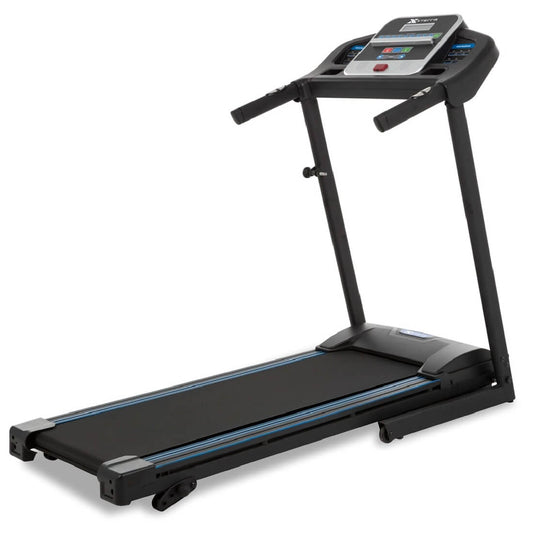
Use equipment-specific protection where appropriate, keep rubber feet clean and position heavy items carefully instead of dragging them across the mats. For treadmills and other moving equipment, check the manufacturer’s flooring guidance and make sure the machine sits level. A stable base can reduce movement, noise and wear while improving workout safety.
If you are comparing rubber vs EVA gym flooring, consider the way the area will be used. EVA is lightweight, comfortable and easy to reconfigure. Rubber flooring is often better suited to heavier loads, frequent dropped weights and demanding commercial training zones. Choosing the right material for each area may be more effective than using one surface everywhere.
When to Replace Your EVA Foam Mats
Inspect your mats regularly for permanent dents, cracks, tears, curling edges, loose puzzle connections and areas that have become unusually thin or slippery. A noticeable loss of cushioning or grip can make exercise less comfortable and may affect stability during movement.
Replace mats that no longer lie flat, cannot be cleaned properly or show damage around equipment contact points. It is also worth replacing sections when the surface has degraded enough to create a trip hazard or when the foam no longer protects the floor as intended.
When upgrading your home gym flooring, think about the activities, equipment weight, ventilation and cleaning routine the space needs to support. The right workout flooring mats should make the area easier to use, safer to move in and simpler to maintain.
Final Tips for Longer-Lasting EVA Foam Mats
- Install mats on a clean, dry and reasonably level floor.
- Align interlocking edges carefully and avoid forcing the seams.
- Clean with mild soap and water, then dry the surface and underside thoroughly.
- Lift and inspect removable mats periodically, especially in humid spaces.
- Use additional protection under heavy or moving gym equipment.
- Replace mats when cushioning, grip or edge stability has noticeably declined.
With the right installation and a simple maintenance routine, EVA foam mats can provide a comfortable, adaptable surface for home workouts and everyday training.