

1. Introduction to Gym Flooring Materials
Choosing the right gym flooring is one of the most important decisions you'll make when setting up a home gym or commercial fitness facility. The right flooring protects your equipment, reduces injury risk, minimizes noise, and creates a professional training environment.
In Singapore's humid climate, selecting durable gym flooring that withstands heavy use and moisture is essential. Whether you're outfitting a commercial gym or creating a home workout space, understanding the differences between rubber gym flooring, EVA foam mats, and interlocking gym mats will help you make an informed decision.
This guide covers everything you need to know about the three most popular gym flooring options, including their pros, cons, best uses, and how to choose the right solution for your space.
2. Rubber Gym Flooring: Pros, Cons & Best Uses
What Is Rubber Gym Flooring?
Rubber gym flooring is made from natural or recycled rubber and comes in rolls, tiles, or mats. It's the gold standard for commercial gyms and serious home gym setups due to its exceptional durability and shock absorption.
Pros of Rubber Gym Flooring
- Extreme durability: Withstands heavy weights, high-impact exercises, and constant foot traffic
- Superior shock absorption: Protects joints and reduces equipment damage from dropped weights
- Non-slip surface: Provides excellent traction even when wet, crucial for safety
- Noise reduction: Significantly dampens sound from dropped weights and cardio equipment
- Easy maintenance: Simple to clean and highly resistant to moisture and bacteria
- Long lifespan: Can last 10+ years with proper care
Cons of Rubber Gym Flooring
- Higher initial cost: More expensive upfront than foam alternatives
- Rubber odor: New rubber flooring may have a smell that dissipates over time
- Heavier weight: More difficult to transport and install than foam options
- Limited design options: Typically available in black or dark colors
Best Uses for Rubber Gym Flooring
Rubber flooring is ideal for:
- Commercial gyms and fitness studios
- Home gyms with heavy weightlifting equipment
- CrossFit boxes and functional training areas
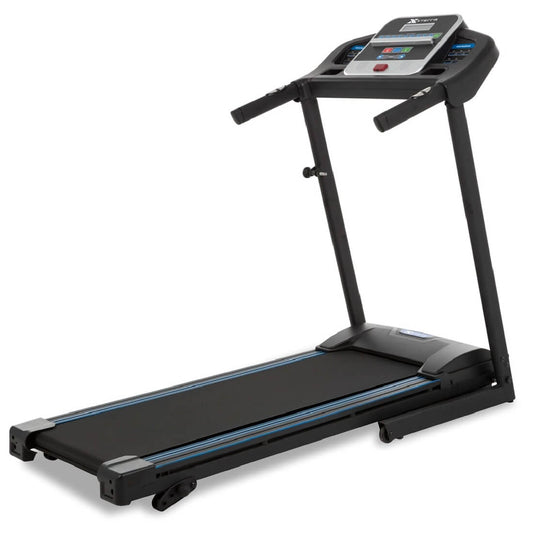
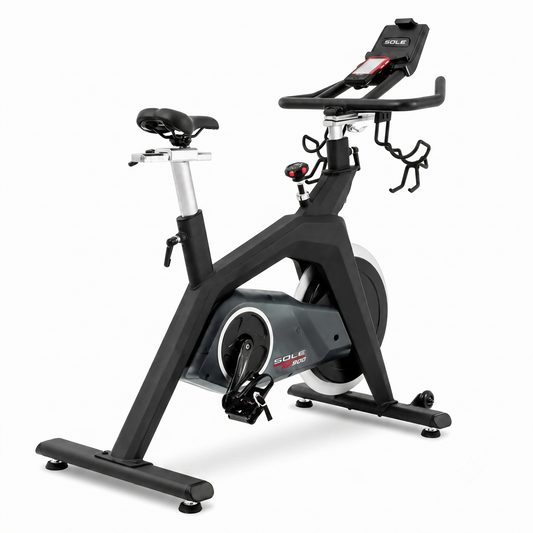
- Spaces with treadmills, ellipticals, and other cardio machines
- Areas requiring maximum durability and non-slip gym flooring
3. EVA Foam Mats: Pros, Cons & Best Uses
What Are EVA Foam Gym Mats?
EVA foam gym mats are made from ethylene-vinyl acetate, a soft, lightweight foam material. These mats are popular for light exercise, yoga, Pilates, and children's play areas.
Pros of EVA Foam Mats
- Affordable: Most budget-friendly gym flooring option
- Lightweight: Easy to move, install, and reconfigure
- Comfortable: Soft cushioning ideal for floor exercises and stretching
- Variety of colors: Available in multiple colors for aesthetic customization
- Easy installation: No tools required, simple interlocking design
- Portable: Can be easily removed and stored when not in use
Cons of EVA Foam Mats
- Limited durability: Not suitable for heavy weights or high-impact activities
- Compression over time: Foam can flatten with repeated use
- Less stable: Can shift during intense workouts
- Shorter lifespan: Typically needs replacement every 2-3 years
- Not ideal for heavy equipment: Can dent or tear under weight racks or machines
Best Uses for EVA Foam Mats
EVA foam mats work best for:
- Yoga and Pilates studios
- Light home workouts and bodyweight exercises
- Children's activity areas
- Temporary or portable gym setups
- Budget-conscious home gym owners doing low-impact training
4. Interlocking Gym Mats: Pros, Cons & Best Uses
What Are Interlocking Gym Mats?
Interlocking gym mats feature puzzle-piece edges that connect together, creating a seamless floor surface. They're available in both rubber and foam materials, offering a middle-ground solution between permanent flooring and portable mats.
Pros of Interlocking Gym Mats
- Versatile installation: Easy to install, remove, and reconfigure without professional help
- Customizable coverage: Add or remove tiles to fit any space size or shape
- Good shock absorption: Especially rubber interlocking mats
- Moderate price point: More affordable than rolled rubber, more durable than basic foam
- Variety of thicknesses: Available in different gym flooring thickness options (typically 10mm-25mm)
- Renter-friendly: Can be removed without damaging subfloor
Cons of Interlocking Gym Mats
- Seam visibility: Interlocking edges create visible lines and potential trip hazards
- Can separate: Tiles may shift apart during intense workouts
- Dirt accumulation: Debris can collect in seams between tiles
- Variable quality: Durability depends heavily on material (rubber vs foam)
Best Uses for Interlocking Gym Mats
Interlocking mats are perfect for:
- Home gyms with moderate weightlifting (up to medium weights)
- Multi-purpose spaces that need flexible flooring
- Renters who need removable flooring solutions
- Garage gyms and basement fitness areas
- Spaces requiring custom shapes or sizes
5. Rubber vs EVA vs Interlocking Mats: Side-by-Side Comparison
| Feature | Rubber Gym Flooring | EVA Foam Mats | Interlocking Gym Mats |
|---|---|---|---|
| Durability | Excellent (10+ years) | Fair (2-3 years) | Good (5-7 years for rubber) |
| Cost | $$$ (Highest) | $ (Lowest) | $$ (Moderate) |
| Weight Capacity | Heavy weights & equipment | Light exercises only | Light to moderate weights |
| Shock Absorption | Excellent | Good for low-impact | Good to excellent |
| Installation | Moderate difficulty | Very easy | Easy |
| Maintenance | Low | Low to moderate | Moderate |
| Noise Reduction | Excellent | Fair | Good |
| Portability | Low | High | Moderate |
| Best For | Commercial & serious home gyms | Yoga, Pilates, light workouts | Home gyms, flexible spaces |
6. How to Choose the Best Gym Flooring for Your Space
Consider Your Workout Type
For heavy weightlifting: Choose rubber gym flooring for maximum durability and protection.
For yoga and Pilates: EVA foam mats provide comfortable cushioning at an affordable price.
For mixed training: Interlocking rubber mats offer versatility for various exercise types.
Evaluate Your Space
Commercial gyms: Invest in professional-grade gym flooring for commercial gyms with rolled rubber or thick interlocking rubber tiles.
Home gyms: Consider your budget and whether you need permanent or removable flooring. Home gym flooring Singapore options should account for humidity and climate.
Multi-purpose rooms: Interlocking mats allow you to install and remove flooring as needed.
Determine the Right Thickness
Gym flooring thickness matters for protection and comfort:
- 6-8mm: Suitable for light cardio and yoga
- 10-15mm: Good for moderate weightlifting and general fitness
- 20mm+: Best for heavy weights, Olympic lifting, and maximum equipment protection
Set Your Budget
While EVA foam is the most affordable option, consider long-term value. Durable gym flooring like rubber may cost more initially but lasts significantly longer, making it more cost-effective over time.
Check for Essential Features
Look for:
- Non-slip surface: Critical for safety during intense workouts
- Moisture resistance: Important in Singapore's humid climate
- Easy cleaning: Saves time on gym maintenance
- Odor-free or low-odor: Especially important for home gyms
Ready to Choose Your Gym Flooring?
Selecting the best gym flooring for home or commercial use depends on your specific needs, budget, and workout style. Whether you choose rubber gym flooring for its unmatched durability, EVA foam mats for their affordability and comfort, or interlocking gym mats for their versatility, the right flooring will enhance your training experience and protect your investment.
Explore our complete range of gym flooring solutions to find the perfect fit for your fitness space in Singapore.