

Setting up a gym at sea takes more than fitting exercise machines into a spare room. The right ship gym equipment needs to suit your users, available space and operating environment, while allowing for safe installation and practical maintenance.
Whether you are planning a passenger fitness area on a cruise ship or a crew gym on a commercial vessel, start with a clear brief. Consider who will train, how many people may use the room at once and how the equipment will be delivered, installed and serviced throughout the vessel’s operating schedule.
1. Why Onboard Gyms Matter for Cruise Ships and Commercial Vessels
Long voyages can make regular physical activity difficult. An onboard gym gives crew members a dedicated space to exercise outside working hours and gives passengers a convenient way to maintain their fitness routines while travelling.
For crew, a thoughtfully planned facility can support strength, cardiovascular fitness and a consistent wellness routine. It also provides a change of environment during extended periods at sea. For passengers, an accessible fitness area adds variety to the onboard experience, from a short cycling session to a full strength workout.
The best setup is not necessarily the largest. A smaller room with well-chosen onboard gym equipment can be more useful than a crowded facility with machines that do not match users’ needs. Prioritise a balanced mix of cardio, strength and mobility options.
2. How to Plan an Onboard Gym Layout for Limited Spaces
Measure the usable room before choosing equipment. Record floor dimensions, ceiling height, door openings, access corridors and any obstructions. Check overhead clearance for standing exercises, overhead movements and users exercising on raised treadmill decks.
Plan around the equipment’s full operating footprint, not just its storage dimensions. Rowing machines need room for their moving seats, cable stations require exercise space around the pulleys, and treadmills need the manufacturer’s specified safety clearances. Keep entrances, exits and circulation routes unobstructed.
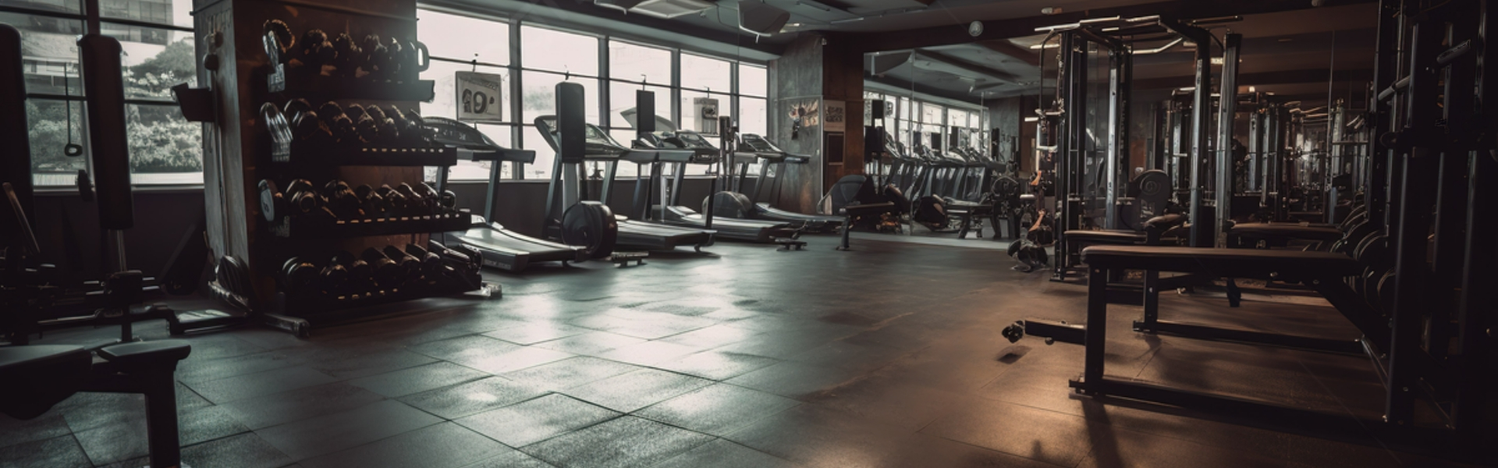
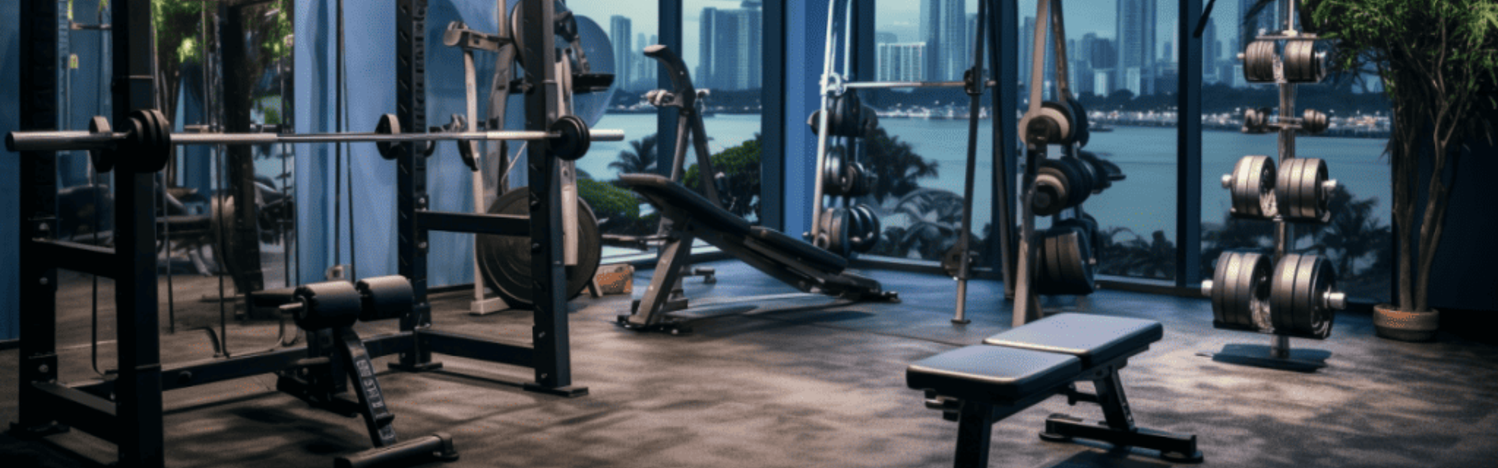
Group equipment into practical zones: cardio machines together, strength stations in a separate area, and an open section for stretching or mobility work. Provide suitable storage so dumbbells, handles and accessories do not become loose objects or trip hazards.
Ventilation and temperature control also deserve attention. Assess airflow, humidity and the expected number of simultaneous users with the vessel’s facilities team. Choose flooring with appropriate grip and cleaning characteristics, while checking its compatibility with the deck and installation method.
Before finalising a ship gym setup, have the vessel’s qualified marine professionals review equipment weight, concentrated loads, weight distribution, securing methods and stability implications. A land-based gym layout should not be assumed suitable for a vessel without that assessment.
3. Essential Gym Equipment for Cruise Ships and Commercial Vessels
Select cruise ship gym equipment and crew fitness equipment according to the available space, expected usage and suitability for the vessel. A practical shortlist includes:
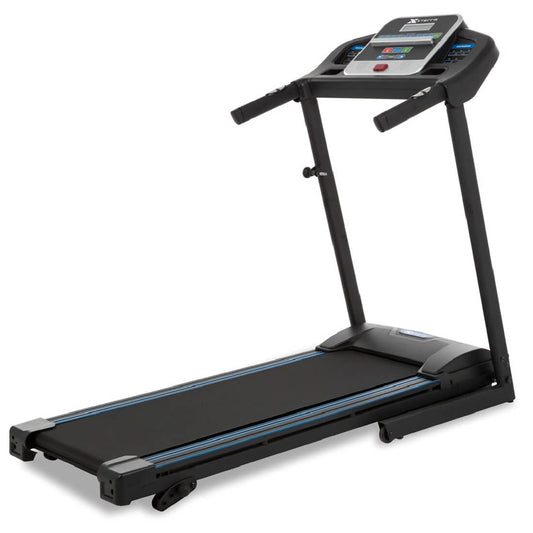
- Treadmills: Useful for walking and running. Check deck clearance, electrical requirements, machine weight and manufacturer guidance on the intended operating environment.
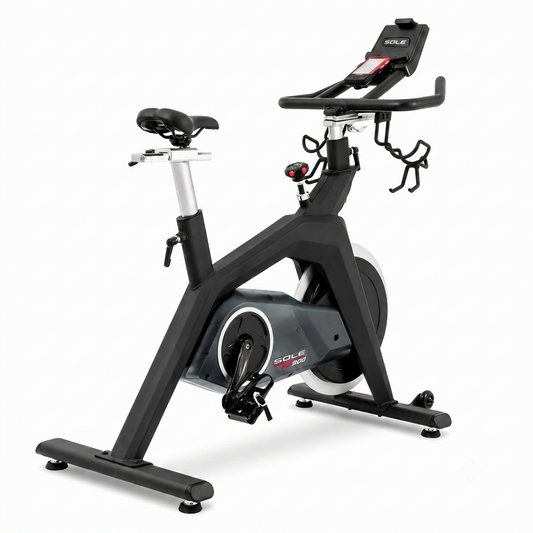
- Exercise bikes: A seated cardio option worth considering where space is limited. Compare access, adjustability and commercial-use suitability.
- Rowing machines: Offer a combination of cardiovascular and muscular work. Allow for the full rowing stroke and secure storage if the machine is designed to be moved or stored.
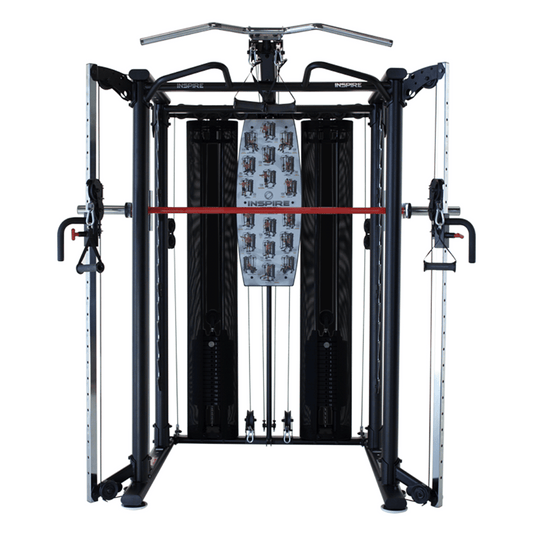
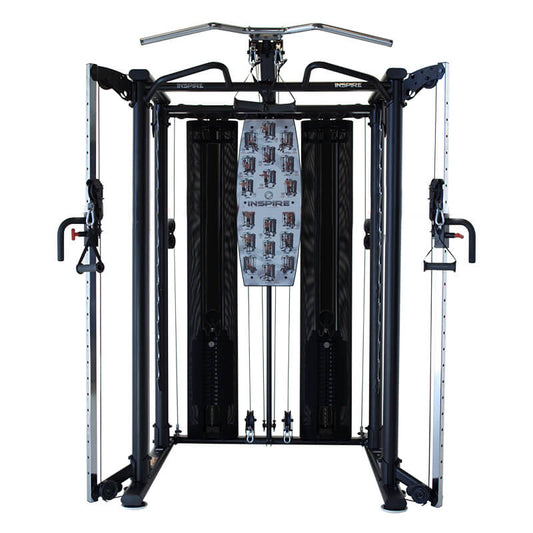
- Functional trainers: Support varied cable exercises within a defined training zone. Account for pulley travel, user reach and accessory storage.
- Multi-gyms: Combine several strength exercises in one station and can help make efficient use of a compact room.
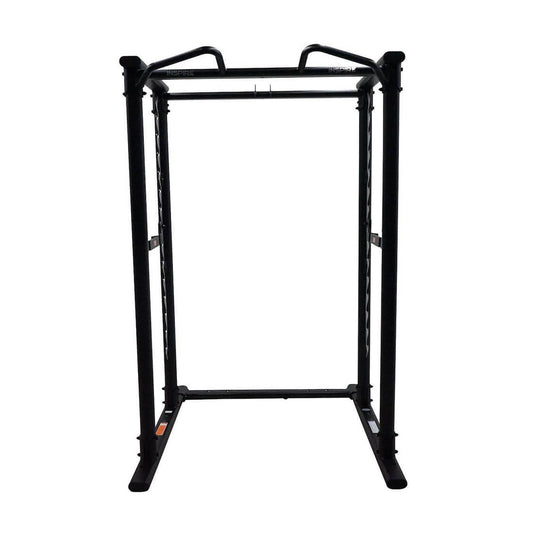
- Dumbbells and compact strength equipment: Add workout variety, but require suitable racks, retention arrangements and procedures for safe use and storage.
Do not assume a machine is marine-ready simply because it is labelled commercial. Ask the manufacturer or supplier to confirm whether the proposed marine gym equipment is appropriate for the intended environment, usage and installation. Check warranty conditions before committing.
4. Buying vs Leasing Gym Equipment for Ships: Which Is Better?
Buying gives you ownership from the outset and may suit a vessel with a stable, long-term equipment plan. Compare the initial purchase cost with installation, maintenance, replacement parts and eventual disposal costs to understand the overall investment.
Leasing may be worth considering when preserving upfront capital is important or when equipment requirements could change. However, flexibility, upgrades and maintenance coverage depend on the actual agreement. Do not assume servicing, replacement machines or an upgrade entitlement are included.
For a fair comparison, evaluate purchase and lease quotations over the same operating period. Include deposits, scheduled payments, delivery, installation, servicing, marine-use restrictions and end-of-term obligations. Ask how repairs will be handled when the vessel is outside Singapore or has a short port call.
If you are exploring commercial gym equipment leasing in Singapore, discuss the vessel’s route, expected usage and intended installation before selecting a package. The better option is the one that fits both the operating budget and the practical realities of keeping equipment usable at sea.
5. Installation, Safety and Maintenance of Onboard Gym Equipment
Plan installation with the equipment supplier and the vessel’s technical team. Confirm the delivery route from the port to the gym, including hatch and doorway dimensions, lifting arrangements and any assembly work required inside the room.
Equipment must be installed and secured using methods approved for the specific machine and vessel. Do not drill into decks or modify equipment frames without the necessary technical approval. Electrical connections, deck loading and securing arrangements should be reviewed by appropriately qualified professionals.
Marine conditions can introduce humidity, salt exposure and vessel movement. Keep equipment in a suitable controlled indoor environment and follow the manufacturer’s cleaning and corrosion-prevention guidance. Use approved cleaning products and lubricants rather than applying protective treatments that could affect grips, belts, electronics or warranty coverage.
Establish a documented inspection and preventive-maintenance schedule. Check securing points, fasteners, cables, belts, pedals, upholstery and electrical components as applicable. Remove damaged equipment from use until it has been assessed and repaired.
Set clear rules for securing accessories after use and for restricting gym access when operating conditions make exercise unsafe. The vessel’s responsible team should determine when the facility can be used, based on onboard safety procedures and conditions.
6. How to Choose a Commercial Gym Equipment Supplier in Singapore
Choose a supplier based on the whole project, not just the equipment catalogue. Start by sharing your room measurements, user profile, budget, vessel schedule and intended training activities. Ask for a proposed equipment list and layout that accounts for access, operating clearances and maintenance access.
Before placing an order, clarify responsibility for each stage: equipment selection, gym layout planning, delivery coordination, installation support and after-sales service. Marine engineering approval and equipment supply are different responsibilities, so confirm where the supplier’s scope ends and the vessel’s technical team takes over.
Ask about spare-parts availability, service response arrangements, warranty limitations and support between port calls. If leasing is being considered, request written details of payment terms, maintenance responsibilities, permitted installation locations and end-of-term arrangements.
Explore commercial gym equipment options in Singapore to build an initial shortlist. Then discuss which models can be considered for your vessel, rather than treating every commercial machine as suitable cruise ship fitness equipment.
Plan Your Ship Gym Around the Voyage
A successful onboard gym brings together useful equipment, an efficient layout and a realistic support plan. Begin with the people who will use it, have the vessel’s technical team assess the installation, and compare equipment options against the conditions in which they will operate.
For your next ship gym equipment project, prepare the room dimensions, vessel type, delivery window and budget before speaking with a supplier. That brief will make it easier to evaluate purchasing or leasing options and build a fitness space suited to life at sea.