

Corporate wellness is no longer a perk — it's a strategic priority. For HR teams in Singapore's fast-growing tech sector, an office gym can meaningfully improve employee retention, reduce absenteeism, and strengthen your employer brand. But getting it right requires thoughtful planning across space, budget, equipment, and culture.
This guide covers everything HR professionals need to consider when setting up a workplace gym, from understanding your team's fitness needs to selecting the right office gym equipment supplier in Singapore.
1. Understanding Your IT Team's Fitness Needs
Before specifying a single piece of equipment, invest time in understanding who will actually use the gym — and when.
Tech employees tend to work non-standard hours, including early mornings, late evenings, and occasional weekends. A gym that's only accessible during core business hours will underperform. Run a quick pulse survey to capture:
- Current fitness levels — Are most employees sedentary, moderately active, or already training regularly?
- Preferred activity types — Cardio, strength training, stretching, or a mix?
- Preferred times — Before work, during lunch, or after hours?
- Barriers to exercise — Time, cost, gym anxiety, or lack of guidance?
This data shapes every subsequent decision — from equipment selection to access policies and programming. A small office gym that's well-matched to actual demand will always outperform a showpiece facility that employees don't use.
2. Planning Your Office Gym Space and Budget
Space is often the binding constraint in Singapore office environments. Whether you're working with a dedicated room, a partitioned corner, or a rooftop terrace, the layout needs to be safe, functional, and compliant with building management requirements.
Location
Choose a space with good ventilation, ideally with natural airflow or proximity to HVAC returns. Avoid low-traffic dead zones where employees feel unsafe exercising alone. Proximity to shower or locker facilities significantly increases uptake.
Equipment Clearance
Most commercial equipment has minimum clearance requirements — treadmills typically need 1–2 metres behind the belt, and cable machines require side clearance for full range of motion. Reputable suppliers will provide a floor plan with clearance zones marked before you commit.
Budget Framework
A practical corporate gym equipment investment for a Singapore tech office typically falls into three tiers:
- Starter (SGD 8,000–20,000): 1–2 cardio machines, a functional trainer or cable system, adjustable dumbbells, and matting.
- Mid-range (SGD 20,000–60,000): Full cardio suite, multi-station functional trainer, free weight zone with rack and bumper plates, commercial flooring.
- Full commercial fit-out (SGD 60,000+): Multiple cardio units, dedicated strength zone, stretching area, rehabilitation equipment, and professional installation.
Factor in flooring, installation, delivery to floor, and ongoing maintenance contracts — these are often underestimated in initial budget discussions.
3. Choosing the Right Office Gym Equipment
For most tech office environments, a balanced mix of cardio, functional strength, and flexibility equipment covers the broadest range of employee preferences.
Cardio Machines
Commercial-grade cardio equipment is significantly more durable than consumer units and is built for multi-user environments. Key options include:
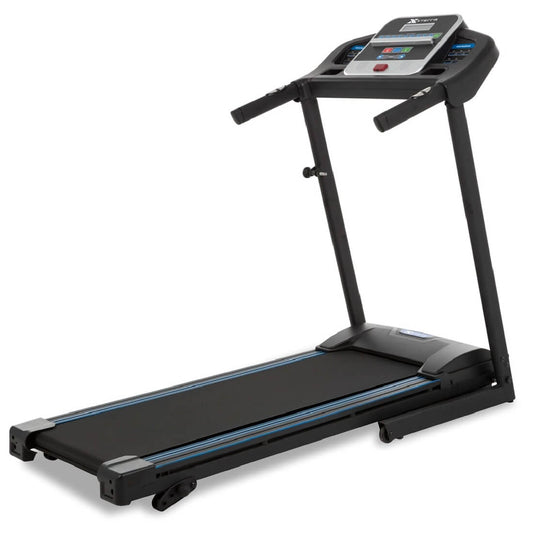
- Treadmills — The most-used piece in most office gyms. Look for quiet motor operation (important in shared office environments), USB/Bluetooth connectivity, and robust warranties.
- Elliptical trainers — Low-impact and popular with employees recovering from injury or new to exercise.
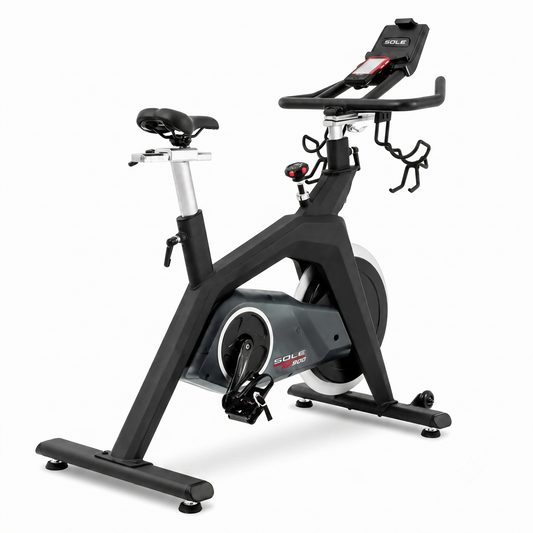
- Spin bikes / upright bikes — Space-efficient and suitable for high-intensity interval training (HIIT) as well as low-intensity recovery sessions.
- Rowing machines — Full-body conditioning in a compact footprint; increasingly popular in tech wellness programmes.
Functional Trainers and Strength Equipment
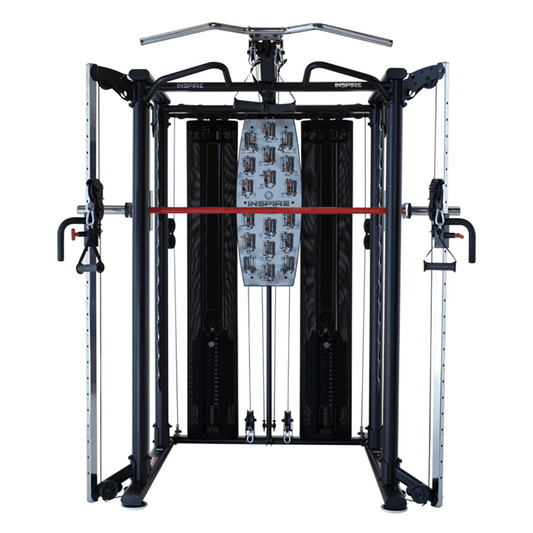
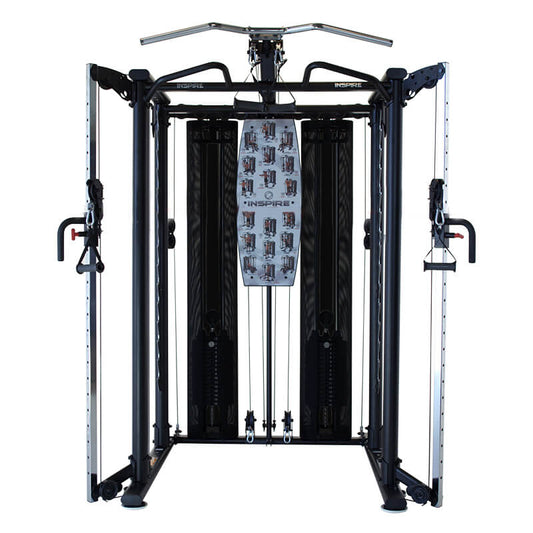
A dual-cable functional trainer is one of the most versatile pieces of equipment for a small office gym — it handles pulling, pushing, rotation, and rehabilitation movements. Pair it with:
- Adjustable dumbbells (replaces a full dumbbell rack in limited space)
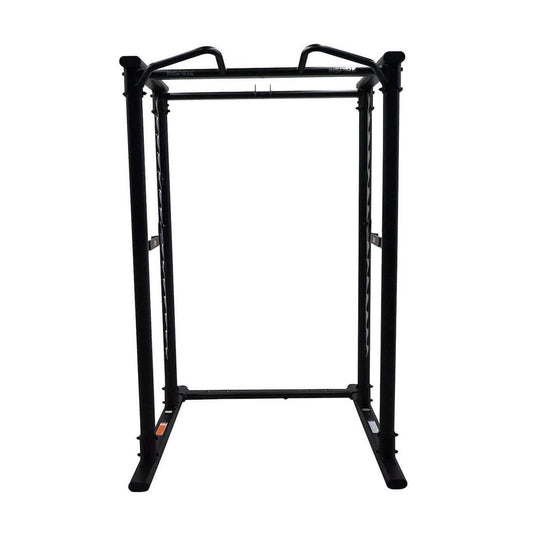
- A power rack or half rack with a barbell and weight plates for employees with a strength training background
- Kettlebells in 3–4 weights for functional circuits
Compact Accessories
Resistance bands, foam rollers, stability balls, and pull-up bars add significant programming variety at low cost. These are particularly useful for lunch-break stretch and mobility sessions that don't require a full equipment session.
4. Creating a Safe and Comfortable Workout Space
Gym Flooring
Commercial rubber flooring is non-negotiable. It protects the sub-floor (important for lease compliance), reduces equipment noise and vibration, and provides grip and impact absorption for users. Standard thickness is 15–20mm for general use, with 30–40mm tiles recommended under free weight zones.
Ventilation and Temperature
Singapore's climate means humidity management is critical. Aim for gym temperatures between 18–22°C with sufficient air exchange to prevent moisture build-up on equipment. Sweat-resistant upholstery on benches and seats extends equipment lifespan significantly.
Equipment Orientation
Position treadmills and bikes facing a wall-mounted screen or window where possible — this increases usage duration. Ensure mirror placement supports form checking without creating awkward sightlines that discourage beginners.
Maintenance
Establish a cleaning protocol from day one: spray bottles and microfibre cloths at each station, a daily wipe-down roster, and a quarterly deep-clean schedule. Equipment with regular preventive maintenance (belt lubrication, cable inspections, console checks) will last two to three times longer than equipment that is only serviced reactively.
5. Encouraging Employee Participation
The best-equipped office gym fails if employees don't feel welcome or confident using it. HR's role doesn't end at installation.
Beginner-Friendly Onboarding
Offer a short orientation session when the gym opens — even 20 minutes showing employees how to adjust a treadmill or use a cable machine removes a significant psychological barrier. Consider partnering with a local personal trainer for monthly drop-in sessions.
Flexible Access
Key card or app-based 24/7 access is now affordable and removes the single biggest barrier for shift workers and employees with variable schedules. Most Singapore commercial landlords permit this within tenanted spaces with appropriate liability signage in place.
Team Fitness Challenges
Step challenges, monthly distance goals, or department vs department competitions create community around the gym. Tie them to recognition — a mention in the all-hands meeting or a team lunch — rather than cash prizes, which can inadvertently exclude employees with health conditions.
Employee fitness programmes that combine gym access with structured challenges consistently report higher sustained participation than passive gym-only offerings.
6. Selecting an Office Gym Equipment Supplier in Singapore
Equipment quality matters, but supplier quality matters just as much. For a corporate installation, evaluate suppliers on:
- Floor planning support — Will they provide a scaled 2D or 3D layout before purchase? This is standard practice among reputable suppliers and protects you from clearance or capacity mistakes.
- Delivery and installation — Can they deliver to your floor, assemble on-site, and remove packaging? This is non-trivial in Singapore's commercial buildings and should be confirmed in writing.
- Warranty terms — Commercial equipment warranties typically cover the frame (lifetime or 10 years), motor (5 years), parts (2–3 years), and labour (1–2 years). Consumer-grade warranties are significantly shorter.
- After-sales support — Is there a local service team? What is the typical response time for a breakdown? Downtime in a corporate gym reflects directly on the HR team that recommended the investment.
- References — Ask for case studies or referrals from comparable office installations in Singapore, not just gym or hotel projects.
Sole Fitness Singapore specialises in commercial and corporate gym equipment supply, floor planning, installation, and after-sales service across Singapore. Our team works directly with HR and facilities teams to design spaces that are practical, safe, and built for sustained daily use.
Final Thoughts
Office gym planning in Singapore is a cross-functional exercise — it touches HR policy, facilities management, budget ownership, and culture. The companies that get it right treat it as a long-term investment in their people, not a one-time procurement decision.
Start with your employees' actual needs, design around your real space constraints, choose commercial-grade equipment from a supplier with strong local support, and build a participation culture from day one. Done well, a corporate gym becomes one of your most visible and valued employee benefits.
Ready to start planning? Contact the Sole Fitness Singapore team for a free floor plan consultation and equipment recommendation tailored to your office and headcount.