

Setting up a commercial gym requires careful planning and the right investment decisions. Whether you are creating a fitness centre, hotel gym, condominium gym, corporate wellness facility, or personal training studio, choosing the wrong equipment can affect your budget, operations, and member experience.
Before investing in commercial gym equipment, understand these common mistakes and learn how to make better decisions for your fitness facility.
1. Choosing Price Over Quality When Buying Gym Equipment
One of the most common mistakes businesses make is selecting equipment based only on the lowest price.
Commercial gyms require equipment that can handle frequent daily usage. Low-quality machines may result in:
- Frequent breakdowns
- Higher repair costs
- Increased downtime
- Poor user experience
When selecting commercial fitness equipment, focus on durability, performance, warranty support, and long-term value rather than only the initial cost.
Key Considerations:
- Commercial-grade construction
- Heavy usage capability
- Reliable performance
- Service and maintenance support
Investing in quality equipment helps reduce long-term expenses and keeps your facility running smoothly.
2. Buying Equipment Without Understanding Your Gym’s Needs
Every fitness facility has different goals, users, and space requirements. Buying equipment without proper planning can lead to unnecessary spending or missing essential machines.
Before purchasing, consider:
- Type of facility
- Target customers
- Expected daily users
- Training preferences
- Available floor space
For example:
- A commercial gym may require a complete mix of cardio and strength equipment.
- A hotel gym may need premium and space-efficient solutions.
- A personal training studio may focus more on functional training equipment.
Choosing equipment based on your business model ensures better investment and member satisfaction.
3. Ignoring Proper Gym Layout and Space Planning
A well-designed gym is not just about having more machines — it is about creating an efficient workout environment.
Poor space planning can cause:
- Crowded workout areas
- Unsafe movement zones
- Poor member experience
- Limited future expansion
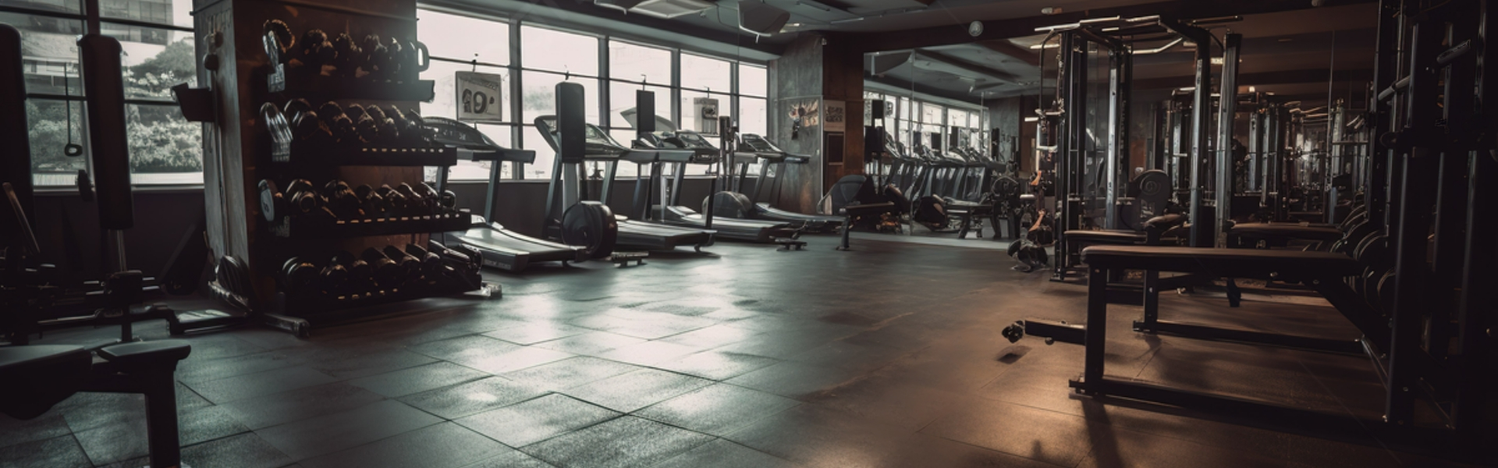
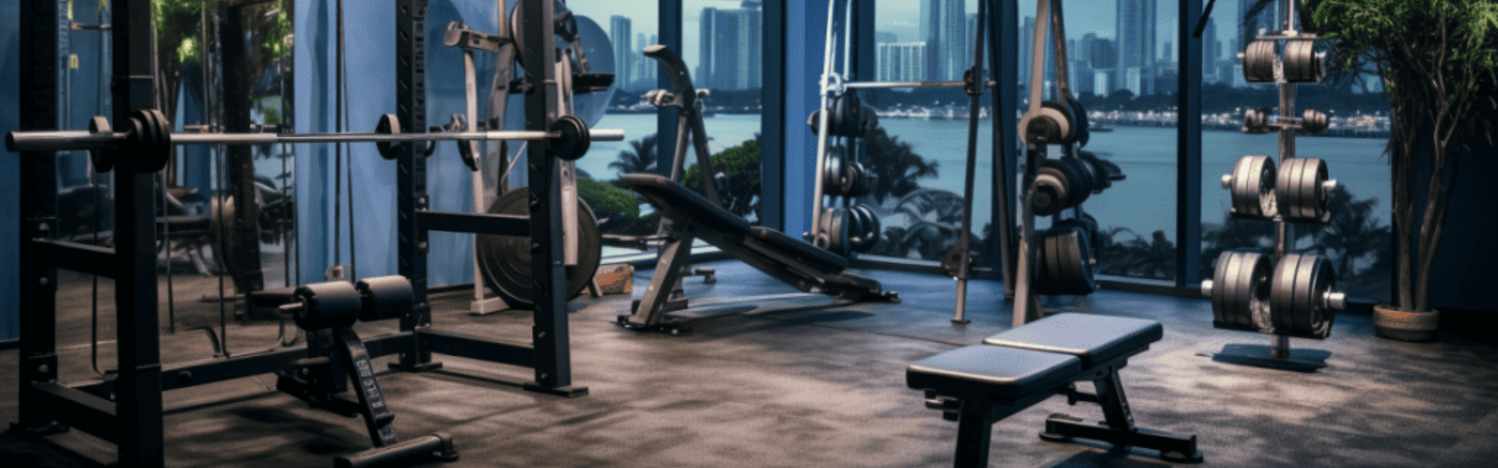
A professional gym layout should include dedicated areas such as:
Cardio Zone
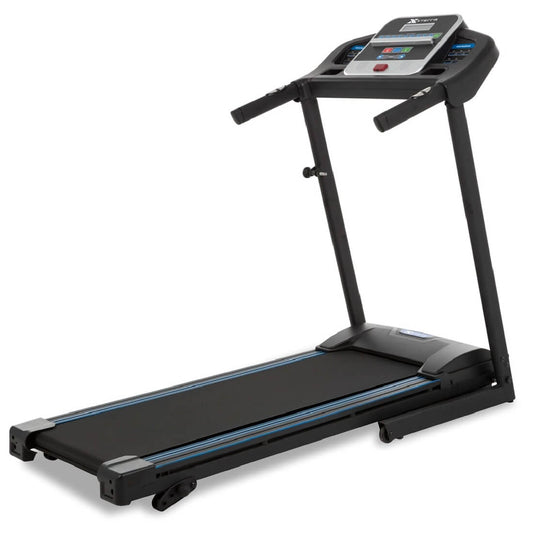
- Commercial treadmills
- Elliptical trainers
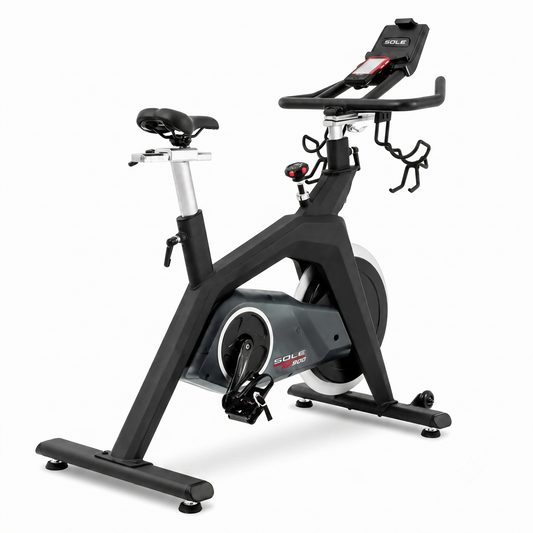
- Exercise bikes
- Rowing machines
Strength Training Zone
- Weight machines
- Benches
- Dumbbells
- Strength stations
Functional Training Zone
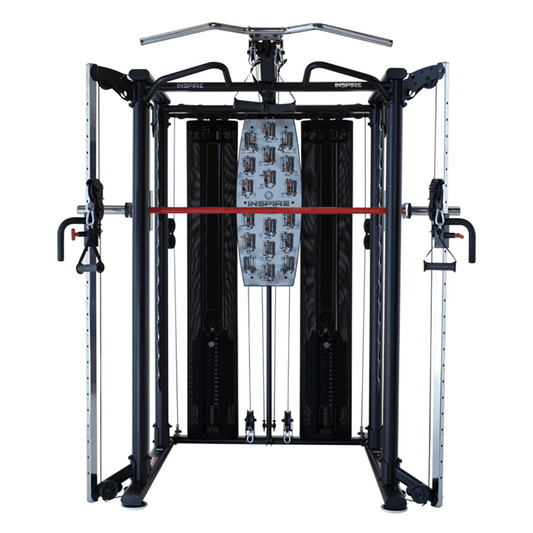
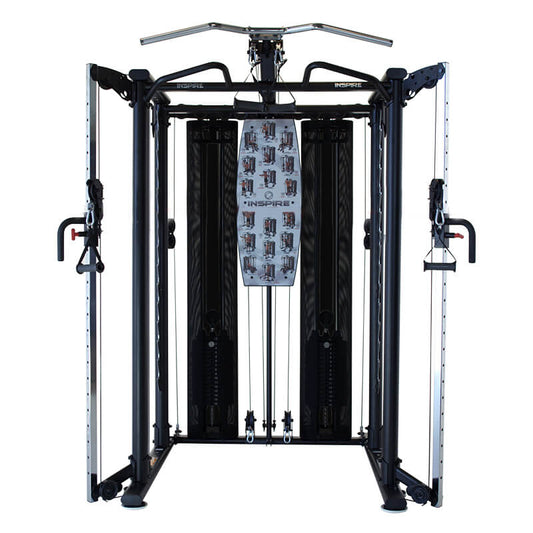
- Functional trainers
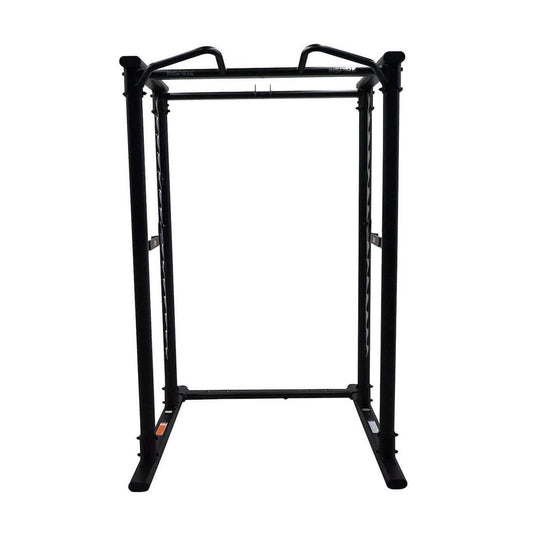
- Racks
- Training accessories
Proper planning improves safety, equipment usage, and overall gym flow.
4. Overlooking Installation, Maintenance & After-Sales Support
Purchasing equipment is only the beginning. Commercial machines need proper installation and regular maintenance to perform efficiently.
A supplier with strong service support helps with:
- Professional equipment installation
- Preventive maintenance
- Quick troubleshooting
- Reduced equipment downtime
Without proper maintenance, even high-quality equipment can lose performance over time.
Choosing a supplier who provides complete support ensures your gym operates efficiently.
5. Selecting the Wrong Equipment Mix for Your Members
A successful gym needs the right combination of equipment to support different workout styles.
A common mistake is investing heavily in one category while ignoring others.
A balanced commercial gym setup should include:
Cardio Equipment
- Treadmills
- Elliptical machines
- Bikes
- Rowers
Strength Equipment
- Functional trainers
- Selectorized machines
- Free weights
Functional Fitness Equipment
- Racks
- Accessories
- Training stations
A complete equipment mix improves member engagement and helps attract a wider audience.
6. Not Planning for Future Growth
Many businesses purchase equipment based only on current requirements and forget about future expansion.
A successful fitness facility should be prepared for growth.
Consider:
- Increasing membership numbers
- Adding new workout areas
- Expanding equipment range
- Changing fitness trends
Choosing flexible and scalable equipment solutions allows your gym to grow without replacing your entire setup.
Conclusion
Investing in commercial gym equipment is a major decision that impacts your facility’s success. Avoiding these common mistakes helps you create a reliable, efficient, and professional fitness environment.
By focusing on quality, proper planning, the right equipment selection, and reliable service support, you can build a gym that delivers long-term value for your business and members.
Looking to set up or upgrade your commercial gym? Work with experienced fitness equipment specialists to create a customised solution for your facility.