




HYROX looks intimidating: eight 1 km runs broken up by eight functional workout stations. But is HYROX hard for beginners? Yes, it is designed to test you. The good news is that it is also highly trainable. With sensible pacing, consistent running and functional strength work, many first-timers can complete the race successfully.
This guide explains what makes HYROX challenging, what happens on race day and how to approach HYROX training for beginners in Singapore.
Is HYROX Hard for Beginners?
HYROX can be hard for beginners because it combines endurance and strength under fatigue. You are not simply running 8 km, and you are not performing the workout stations while fresh. Each kilometre of running raises your heart rate before the next station, while every station makes the following run feel heavier.
You do not need to be an elite athlete to enter. HYROX offers different divisions, including options that let athletes share the workload. The right starting point depends on your current fitness, injury history and confidence with the movements. If you are new to structured exercise, build a basic fitness foundation first and consider advice from a qualified coach or healthcare professional.
What makes HYROX challenging?
- Repeated running: You must settle back into your pace after every station.
- Strength endurance: Sleds, carries, lunges and wall balls require force and control over many repetitions.
- Compromised movement: Technique becomes harder to maintain as fatigue accumulates.
- Pacing: Starting too fast can turn the second half into a survival exercise.
Strength vs endurance demands
HYROX rewards balanced fitness. Strong athletes may handle the sleds well but lose time on the runs. Fast runners may struggle when leg fatigue builds during lunges and wall balls. Your preparation should therefore combine aerobic development with functional strength, rather than treating either one as optional.
What to Expect During a HYROX Race
A standard HYROX fitness race includes eight 1 km runs, for 8 km of running in total. Each run is followed by one workout station:
- 1,000 m SkiErg
- Sled Push
- Sled Pull
- Burpee Broad Jumps
- 1,000 m Row
- Farmer’s Carry
- Sandbag Lunges
- Wall Balls
Weights, distances and repetition requirements vary by division, so check the official standards for your event. Learn the movement rules before race day. A technically completed repetition saves more energy than repeating one that does not meet the standard.
How fatigue builds throughout the race
The first few kilometres can feel deceptively comfortable. After the sleds and burpees, your stride may shorten and your breathing can become harder to control. Farmer’s carries challenge grip and posture, while sandbag lunges load already tired legs. Wall balls then demand squatting, throwing accuracy and concentration at the end of the race. This cumulative fatigue is why combination workouts matter.
Which HYROX Stations Are the Most Challenging?
Sled Push and Sled Pull
Sled work can expose gaps in leg strength, trunk stability and technique. Surface friction also affects how the sled feels. Train strong body positions and controlled steps, but avoid making every session a maximal effort.
Burpee Broad Jumps
These raise your heart rate quickly and require rhythm. Practise an efficient burpee, a repeatable jump distance and steady breathing. Consistency usually beats explosive opening reps followed by long pauses.
Sandbag Lunges
Lunges challenge single-leg strength, balance and core control. Build volume gradually and keep each knee tracking well. Train with the required carrying position and practise changing direction smoothly.
Wall Balls
Wall balls are especially demanding because they come last. Efficient squat depth, a relaxed catch and accurate throws can reduce wasted energy. Practise manageable sets with short, planned rests instead of waiting until complete failure.
How to Train for Your First HYROX
1. Build running and cardiovascular endurance
Include easy runs to develop your aerobic base, one faster session such as intervals or tempo running, and occasional longer efforts. Increase training volume gradually. You should be able to run comfortably before adding frequent hard compromised-running sessions.
2. Develop functional strength
Focus on squats, lunges, hinges, pushes, pulls and loaded carries. Use progressive resistance with sound technique. Leg strength supports the sleds and lunges, while upper-body pulling strength helps with SkiErg and sled-pull work.
3. Train grip and core strength
Farmer’s carries, dead hangs and controlled rowing variations can improve grip endurance. Anti-rotation and bracing exercises help you maintain posture during carries, sled work and fatigued running.
4. Add HYROX-specific combination workouts
Once your base is established, combine short runs with one or two stations. For example, perform several controlled rounds of running followed by rowing, carries or lunges. Start below race volume and increase the workload over time. You do not need to complete a full HYROX simulation every week.
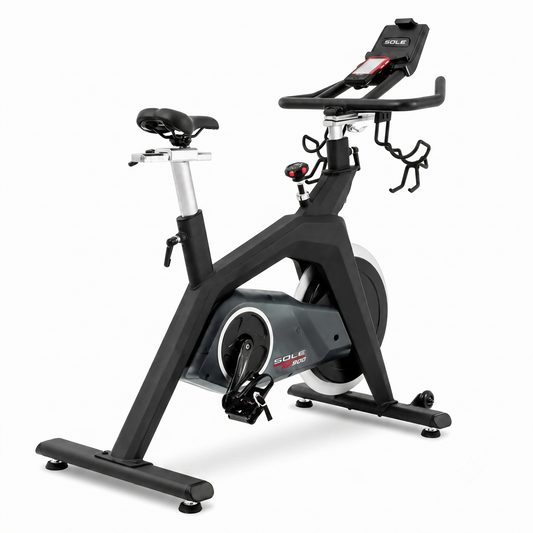
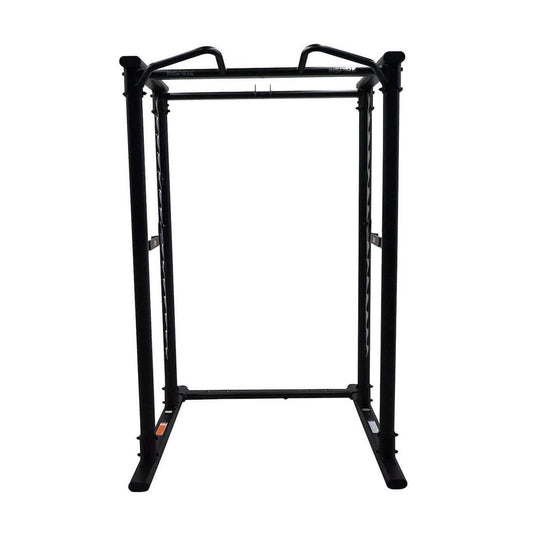
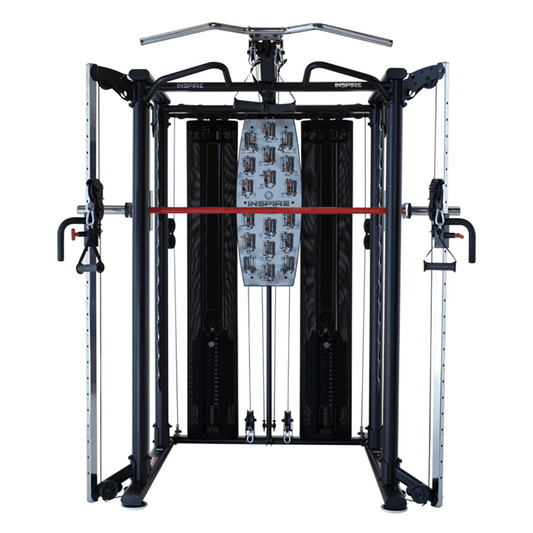
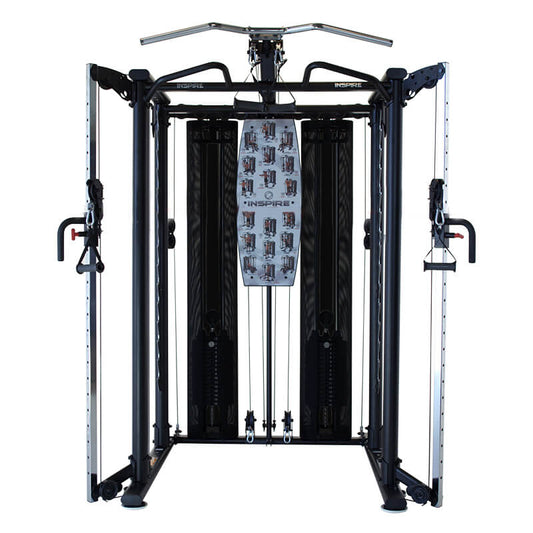
Training on suitable machines and functional equipment makes preparation more specific. Explore our HYROX training equipment for cardio and strength options that can support home or gym workouts in Singapore.
HYROX Preparation Tips for Race Day
- Use a pacing strategy: Start conservatively and aim for a running pace you can repeat after each station. Do not race the first kilometre as if it were the last.
- Train with HYROX equipment: Familiarity with SkiErg, rowing, sleds, carries and wall balls reduces surprises and helps refine technique.
- Prioritise recovery and hydration: Schedule easier days, sleep consistently and practise your hydration and nutrition plan before race day. Singapore’s heat and humidity also make hydration habits important during training.
- Practise transitions: Learn how to enter a station, set up quickly and return to running without panicking.
- Know the movement standards: Train valid repetitions so race-day judging does not disrupt your rhythm.
So, Is HYROX Hard?
HYROX is hard enough to be a meaningful challenge, but it is not reserved for elite competitors. Beginners can prepare by building a running base, improving functional strength and gradually learning to perform the stations under fatigue. The most successful first race is not necessarily the fastest one. It is the one approached with realistic pacing, consistent training and confidence in the movements.
Start with the basics, train progressively and use equipment that matches the demands of the event. That is the practical route from wondering whether HYROX is too hard to arriving prepared for the start line.