

Resistance bands are one of the most versatile and underutilized tools in strength training. While many gym-goers use them for warm-ups or rehab, combining resistance bands with gym machines can unlock new levels of strength, muscle activation, and functional performance.
Whether you're looking to break through plateaus, add variety to your routine, or enhance muscle engagement, integrating resistance band training into your machine-based workouts is a game-changer.
Why Combine Resistance Bands With Machines?
Traditional gym machines provide a fixed resistance path, which is excellent for isolating muscles and building foundational strength. However, they lack the variable resistance that resistance bands offer. When you add bands to machines, you create accommodating resistance—meaning the tension increases as you move through the range of motion.
This combination offers several advantages:
- Enhanced muscle activation: Bands force your muscles to work harder at peak contraction
- Improved strength curves: Variable resistance matches your natural strength throughout the movement
- Greater stabilizer engagement: Bands require more control and balance
- Plateau breaking: Adding bands provides a novel stimulus for continued progress
Best Gym Machines to Use With Resistance Bands
Not all machines are ideal for band integration, but these work exceptionally well for strength training with bands:
Leg Press
Attach bands from the base of the machine to the sled to increase resistance at lockout, where you're naturally strongest. This creates greater quad and glute activation throughout the entire range.
Chest Press Machine
Loop bands around the back of the seat and hold them with the handles. This adds extra resistance at full extension, maximizing pec engagement.
Lat Pulldown
Attach bands to the top of the machine and pull them down with the bar. This creates additional resistance at the bottom of the movement, enhancing lat contraction.
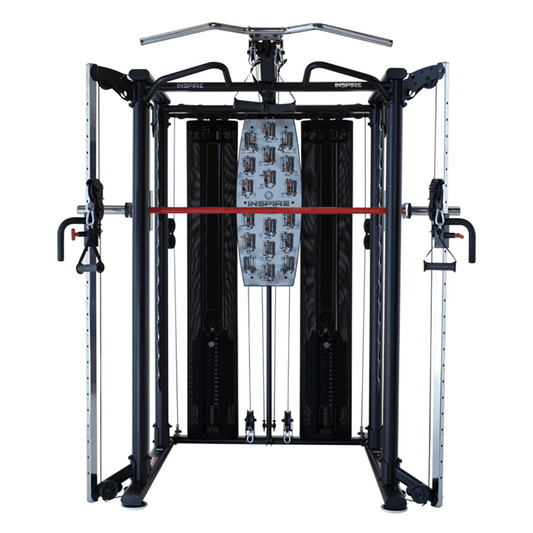
Cable Machines
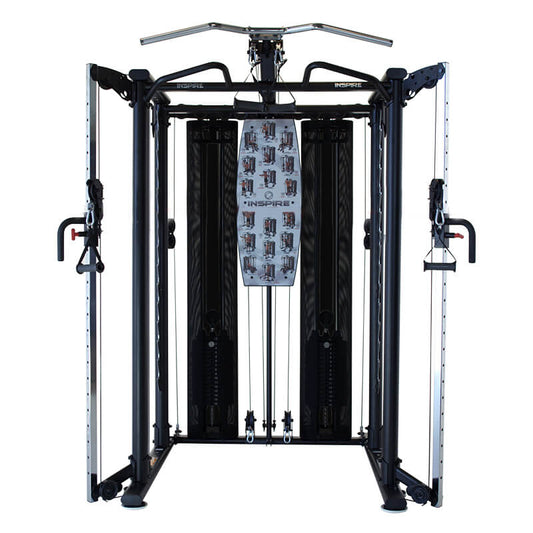
Cable stations are perfect for band work. Add bands to cable exercises like rows, tricep pushdowns, or cable flyes to increase time under tension.
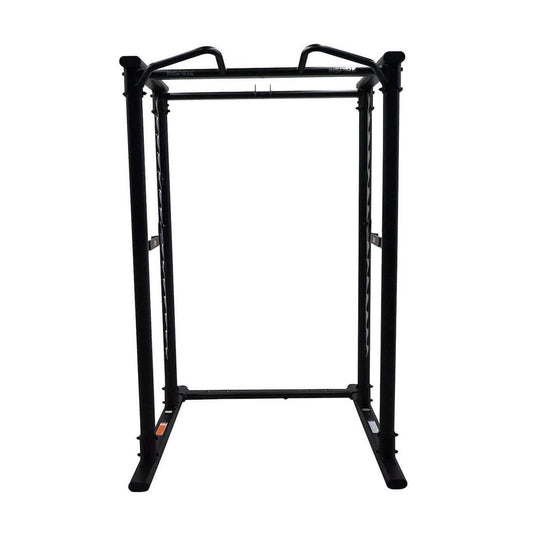
Smith Machine
Loop bands around the bar for squats, bench press, or shoulder press. The bands add instability and variable resistance, making these movements more challenging.
Resistance Band Exercises for Strength Progression
Here are proven gym machine workout tips using resistance bands for progressive overload:
Band-Resisted Leg Press
Anchor bands to the bottom of the leg press and attach to the sled. Start with light bands and progress to heavier resistance as you adapt. This builds explosive leg strength and power.
Band-Assisted Pull-Ups (Using Lat Machine)
Loop a band around the lat pulldown bar and place your knee or foot in it. The band assists at the bottom (where you're weakest) and provides less help at the top, teaching proper pull-up mechanics.
Band-Resisted Chest Press
Attach bands to the rear of the chest press machine. As you press forward, resistance increases, forcing your chest and triceps to work harder at lockout.
Band-Resisted Cable Rows
Add a band to your cable row setup. The increased resistance at full contraction enhances back thickness and improves posture.
Benefits of Band-Assisted & Band-Resisted Training
Functional training accessories like resistance bands offer unique benefits when paired with machines:
Band-Assisted Training
Band-assisted exercises help you perform movements you couldn't do unassisted. Benefits include:
- Learning proper movement patterns
- Building strength in weak ranges of motion
- Increasing training volume safely
- Rehabilitation and injury prevention
Band-Resisted Training
Band-resisted exercises add challenge to movements you've already mastered:
- Overcoming strength plateaus
- Developing explosive power
- Increasing time under tension
- Improving lockout strength
Both methods are essential for well-rounded resistance band training programs.
Safety Tips When Using Bands With Machines
While combining resistance bands with gym machines is highly effective, safety should always come first:
- Inspect bands before use: Check for tears, wear, or damage. Replace worn bands immediately
- Secure attachments properly: Ensure bands are anchored firmly to prevent snapping
- Start with lighter resistance: Begin with lighter bands and progress gradually
- Control the movement: Never let bands snap back—maintain tension throughout
- Use appropriate anchor points: Only attach bands to stable, designed anchor points on machines
- Wear eye protection if needed: For heavy band work, consider safety glasses
- Don't overstretch bands: Avoid stretching bands beyond 2-3 times their resting length
- Clear the area: Make sure no one is in the snap-back zone
Who Should Use Resistance Bands in Training?
Resistance band training with gym machines benefits a wide range of athletes and fitness enthusiasts:
Beginners
Band-assisted exercises help beginners learn proper form and build foundational strength safely.
Intermediate Lifters
Adding bands provides a new stimulus to break through plateaus and continue making gains.
Advanced Athletes
Band-resisted training develops explosive power and addresses weak points in strength curves.
Rehabilitation Clients
Bands offer controlled, adjustable resistance perfect for injury recovery and physical therapy.
Powerlifters & Strength Athletes
Accommodating resistance from bands improves lockout strength and builds explosive power.
Bodybuilders
Bands increase time under tension and peak contraction, enhancing muscle hypertrophy.
Get Started With Resistance Bands Today
Ready to take your training to the next level? Explore our complete range of resistance bands designed for serious strength training. From light assistance bands to heavy-duty power bands, we have the right tools to help you achieve your fitness goals.
Combining resistance bands with gym machines is one of the most effective ways to build strength, power, and muscle. Start incorporating these techniques into your routine and experience the difference variable resistance can make.