


Setting up a fitness facility involves more than choosing treadmills and weight machines. Businesses also need to budget for premises, staffing, marketing and everyday operations. For operators comparing ways to equip a facility, gym equipment leasing in Singapore can be an alternative to paying the full purchase price upfront.
Leasing spreads equipment payments over an agreed period, but the overall commitment depends on the contract. Understanding deposits, recurring charges and end-of-lease arrangements helps businesses compare their options on a like-for-like basis.
1. How Gym Equipment Leasing Works
Under an equipment lease, a business pays to use specified equipment for an agreed term. The agreement sets out the payment schedule, conditions of use and each party’s responsibilities. Ownership generally remains with the lessor during the lease, and any option to purchase the equipment must be confirmed in the contract.
Purchasing outright works differently: the business pays the purchase price and owns the equipment, subject to any financing or sale conditions. It then manages the equipment’s ongoing upkeep, eventual replacement and resale or disposal.
When assessing leasing vs buying gym equipment, consider both cash available today and the total cost over the expected period of use. Leasing may reduce the amount needed at the start, but it does not automatically mean a lower overall cost.
2. Reducing the Initial Equipment Outlay
Buying several commercial machines at once can require a substantial initial payment. Commercial gym equipment leasing can spread that spending across an agreed lease period instead of concentrating the equipment purchase cost at launch.
However, a lease is not necessarily a zero-upfront-cost arrangement. Depending on the offer, an initial deposit, advance payment, administration fee, delivery charge or installation charge may apply. Request a written breakdown of everything payable before equipment is delivered.
Compare the initial amount due alongside the recurring payments. A plan with a smaller deposit may have different monthly charges or a longer commitment, so the opening payment should not be the only deciding factor.
3. Keeping Funds Available for Other Business Needs
Spreading equipment payments can leave more funds available at the outset for other parts of the business. These may include premises deposits, fit-out work, staff recruitment, marketing and working capital for daily operations.
For a new facility, this flexibility may help balance equipment spending with the cost of opening and attracting members. For an existing business, it may support a facility refresh while retaining funds for ongoing commitments.
The same budgeting approach applies to corporate gym equipment leasing. An organisation planning an employee fitness space needs to consider the room, equipment mix, access arrangements and ongoing upkeep together, rather than treating equipment as an isolated expense.
Retaining funds upfront does not remove the lease obligation. Build a cash-flow forecast that includes payments throughout the contract, including quieter trading periods.
4. Planning Monthly Equipment Expenses
An agreed payment schedule can make equipment expenses easier to include in a monthly budget. Before comparing gym equipment lease plans, check whether payments remain fixed for the full term and whether any price adjustments or other conditions apply.
Ask for a schedule showing the payment amount, frequency, start date and total number of payments. Clarify whether quoted amounts include applicable taxes and whether delivery, installation, servicing, repairs or insurance are included or charged separately.
Your equipment budget should also allow for operating costs outside the lease, such as electricity, cleaning and any maintenance you are responsible for. Check the terms for late payments and other additional charges rather than assuming the quoted monthly amount covers every expense.
5. Choosing Equipment to Match Your Facility’s Needs
The right equipment mix starts with how the facility will be used. A commercial gym, hotel fitness room, personal training studio and corporate wellness space may need different combinations of cardio and strength equipment.
For a commercial gym setup in Singapore, assess the floor plan, access routes and safe clearance around each machine before selecting equipment. Include space for users to move between stations, access equipment comfortably and complete floor-based exercises.
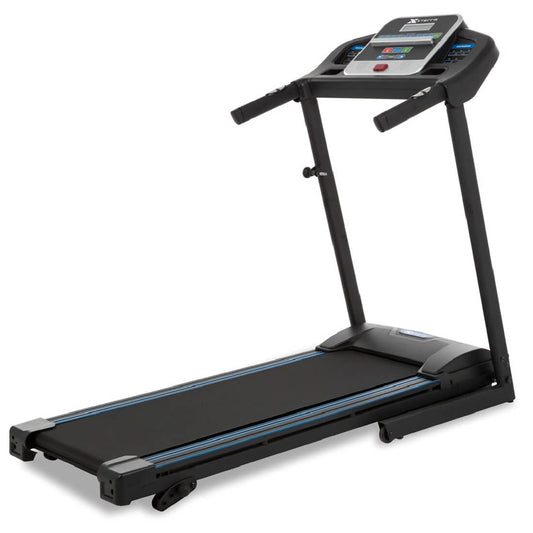
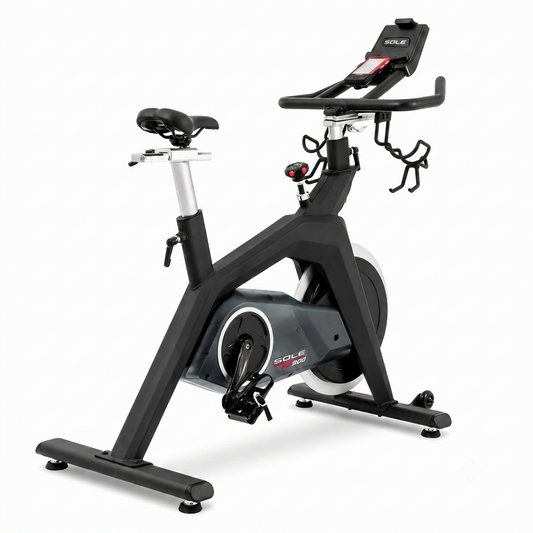
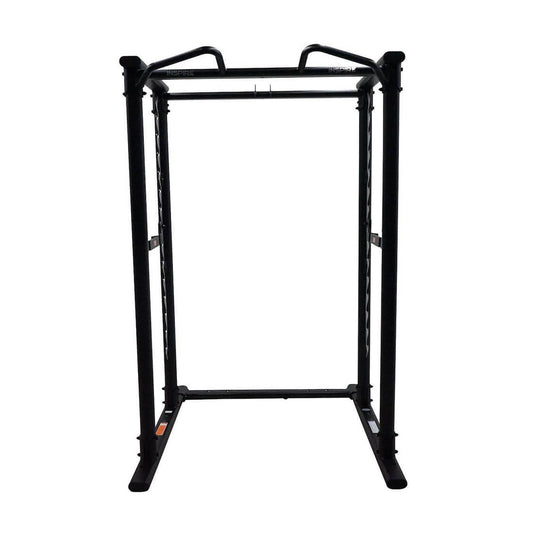
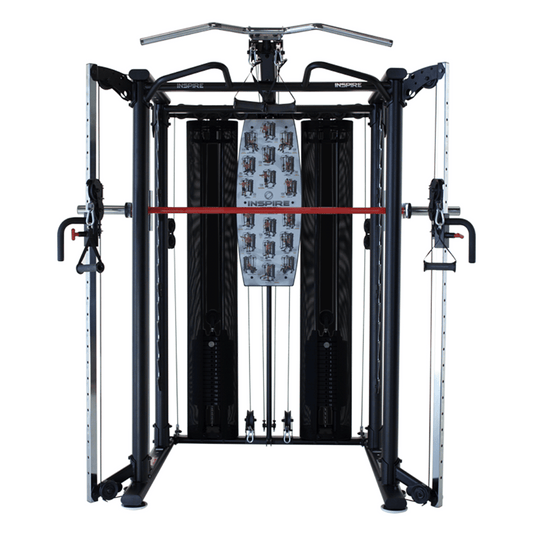
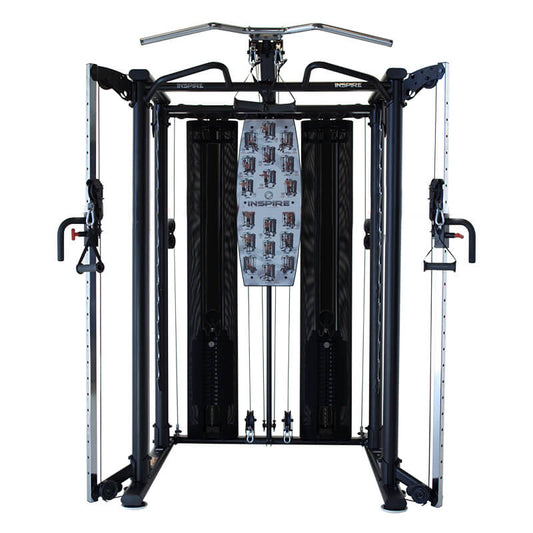
Expected usage matters too. Consider peak-hour demand, typical session length and whether equipment is suitable for the intended commercial environment. Cardio options might include treadmills, exercise bikes, ellipticals or rowing machines. Strength areas may combine adjustable benches, free weights and resistance machines, depending on users’ needs and available space.
Start with equipment that supports your main activities rather than filling every available corner. Explore commercial gym equipment options to help plan a suitable mix for your facility.
6. Evaluating Lease Terms and Total Commitments
When comparing fitness equipment leasing in Singapore, look beyond the monthly figure. Calculate the total scheduled payments, add non-refundable upfront fees and compulsory charges, and identify any optional purchase or end-of-lease costs separately. Treat a refundable deposit as cash tied up, and check the conditions for its return.
Review who is responsible for preventive maintenance, repairs, replacement parts and damage. If servicing is included, confirm what it covers, how to request support and what happens when equipment is unavailable.
Match the lease duration to your business plans and premises arrangements. Ask whether equipment can be added, exchanged or upgraded during the term, and whether doing so changes the price or restarts the commitment.
Early termination deserves particular attention. Confirm any notice requirements, charges or remaining-payment obligations before signing. At the end of the lease, clarify whether equipment must be returned, whether renewal or purchase is available, and who pays for collection or removal.
Make the Decision Around Your Business Budget
Gym equipment leasing can help businesses manage upfront spending by distributing equipment payments over time. Its suitability depends on the initial outlay, ongoing costs, equipment needs and contractual commitments, not simply the lowest advertised monthly payment.
Compare leasing and purchasing over the same period, using a realistic equipment plan and written quotations. To explore the next step for your facility, visit Sole Fitness Singapore’s commercial leasing page and enquire about available arrangements, equipment options and current terms.