

Why Strength Training Accessories Are Essential for a Complete Training Zone
A well-equipped strength training zone is more than just a rack and a barbell. Whether you're outfitting a commercial gym or building a home gym, the right strength training accessories determine the quality, safety, and versatility of every session. From foundational weight plates to functional kettlebells, each piece of equipment plays a specific role in building a complete, professional-grade training environment.
In Singapore's growing fitness culture, gym owners and serious home trainers alike are investing in purpose-built strength zones — spaces designed for progressive overload, functional movement, and long-term performance. This guide walks you through every essential category of strength training equipment and how to bring them together into a cohesive, high-performance setup.
Weight Plates and Barbells: The Foundation of Strength Training
No strength training zone is complete without a quality barbell set and a full range of weight plates. These are the cornerstone of compound movements — squats, deadlifts, bench press, overhead press — that drive the most significant strength and muscle adaptations.
When selecting barbells, consider the following:
- Olympic barbells (20kg for men, 15kg for women) are the standard for serious training and competition-style lifts.
- Knurling pattern and depth affect grip security — aggressive knurling suits powerlifting, while moderate knurling is better for high-rep Olympic lifting.
- Tensile strength and whip matter for dynamic lifts; look for bars rated at 190,000–215,000 PSI for durability under heavy loads.
For weight plates, rubber-coated or bumper plates are ideal for both home gym equipment setups and commercial gym equipment floors — they protect flooring, reduce noise, and allow for safe drops during Olympic lifts.
Explore our full range of free weights and Olympic barbells to find the right combination for your training zone.
Dumbbells for Versatile Full-Body Strength Workouts
Dumbbells are arguably the most versatile piece of strength training equipment in any gym. They allow unilateral training — working each side of the body independently — which corrects muscle imbalances, improves coordination, and reduces injury risk.
A professional strength training zone should include:
- Fixed hex dumbbells in a full weight range (typically 2.5kg to 50kg+) for commercial settings.
- Adjustable dumbbells for space-efficient home gym setups where floor space is at a premium.
- Rubber-coated or urethane finishes for durability, floor protection, and a premium aesthetic.
Dumbbell exercises span every muscle group — from dumbbell rows and chest presses to lateral raises and goblet squats — making them indispensable for both beginner and advanced training programs. Pair them with a quality dumbbell rack to keep your zone organised and safe.
Kettlebells for Functional Strength and Conditioning
Kettlebells bridge the gap between strength and conditioning, making them a staple of functional strength training. Their offset centre of gravity challenges stabiliser muscles and demands full-body coordination in ways that traditional barbells and dumbbells do not.
Key kettlebell movements for a professional training zone include:
- Kettlebell swings — posterior chain power and cardiovascular conditioning.
- Turkish get-ups — full-body stability, mobility, and strength integration.
- Goblet squats — anterior-loaded squatting for quad development and core engagement.
- Clean and press — total-body strength and coordination.
For a professional strength training zone, stock kettlebells in increments of 4–8kg, ranging from 8kg to 48kg. Cast iron kettlebells with a powder-coat finish offer durability and a consistent feel across the range. Competition-style kettlebells (uniform size regardless of weight) are preferred in commercial settings for standardised technique coaching.
Pull-Up Bars and Bodyweight Training Accessories
A complete strength training setup must include provisions for bodyweight and calisthenics training. Pull-up bars are among the highest-ROI pieces of gym accessories — they develop back width, bicep strength, and grip endurance with zero additional load required.
Options for your training zone include:
- Wall-mounted pull-up bars — space-efficient and structurally robust for heavy use in commercial environments.
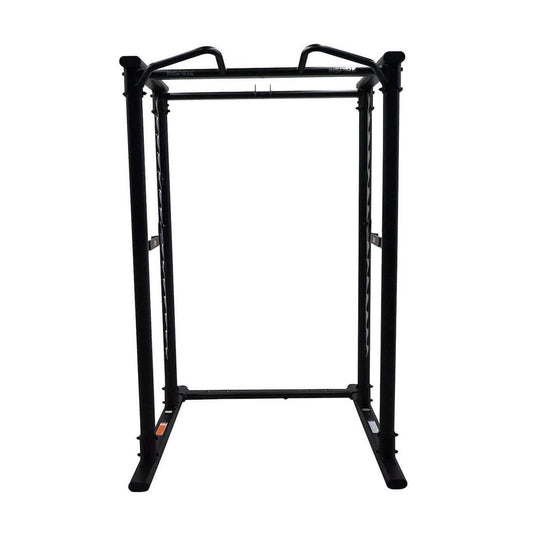
- Power rack-integrated pull-up bars — built into squat racks for a seamless multi-function station.
- Freestanding pull-up and dip stations — flexible placement for home gyms or zones without wall-mounting options.
Complement pull-up bars with gymnastics rings, resistance bands, ab wheels, and dip bars to create a comprehensive bodyweight training zone within your strength area. These accessories add training variety, support rehabilitation protocols, and cater to athletes at every level.
How to Design a Professional Strength Training Zone
Bringing all these elements together into a cohesive professional strength training zone requires thoughtful planning around space, flow, safety, and equipment selection. Here's a structured approach:
1. Define Your Training Goals and User Profile
Are you designing for a commercial gym with high daily traffic, or a dedicated home gym for personal use? Commercial environments require heavy-duty, high-cycle equipment with easy maintenance. Home gyms can prioritise space efficiency and adjustability.
2. Plan Your Zone Layout
Divide your space into functional sub-zones:
- Barbell zone — squat racks, benches, and plate storage.
- Free weights zone — dumbbell racks, kettlebell storage, and open floor space.
- Bodyweight zone — pull-up bars, rings, and mat area.
Allow a minimum of 1.5–2 metres of clearance around each station for safe movement and spotting.
3. Invest in Quality Flooring
Rubber gym flooring (at least 15–20mm thick) is non-negotiable for a strength zone. It protects your subfloor from dropped weights, reduces noise transmission, and provides the grip and cushioning needed for heavy lifts and dynamic movements.
4. Prioritise Equipment Quality Over Quantity
A curated selection of high-quality strength training accessories outperforms a cluttered zone filled with inferior equipment. Start with the essentials — a quality barbell, a full dumbbell set, a kettlebell range, and a pull-up station — then expand as your training needs evolve.
5. Source from a Trusted Supplier
For gym owners and serious home trainers in Singapore, sourcing from a specialist supplier ensures product quality, after-sales support, and access to the full ecosystem of commercial gym equipment and home gym equipment. Browse our free weights collection and Olympic barbells to start building your professional strength training zone today.