

What Is a Power Rack vs a Half-Rack?
When building a strength training setup, one of the most important decisions you'll make is choosing between a power rack vs half-rack. Both are essential pieces of gym rack equipment, but they serve different needs and spaces.
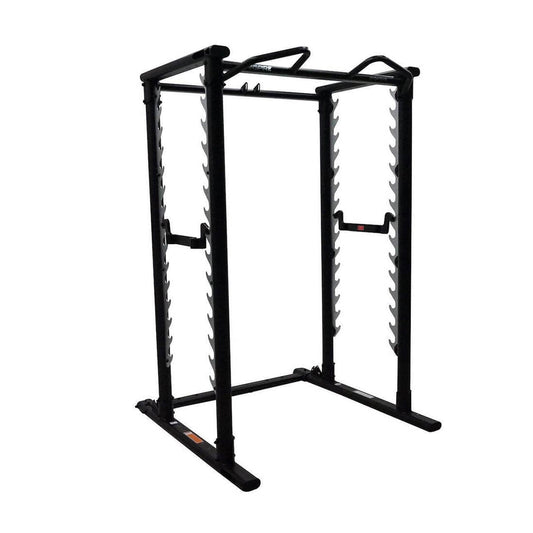
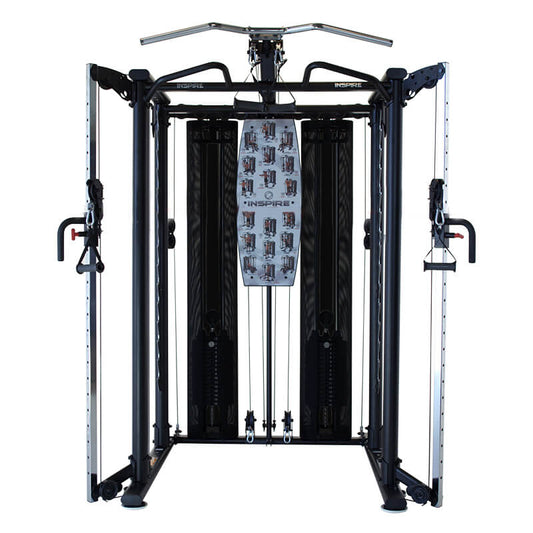
A power rack (also called a full rack or power cage) is a four-post enclosed structure that provides maximum safety and versatility for heavy lifting. It features adjustable safety bars, pull-up bars, and multiple attachment points for accessories.
A half-rack, on the other hand, is a two-post open design that takes up less floor space while still offering solid support for squats, bench press, and other compound movements. It's more compact but may have fewer safety features than a full power rack.
Space & Ceiling Height Requirements
Space is often the deciding factor in the gym rack comparison. Here's what you need to consider:
Power Rack Space Requirements:
- Floor space: Typically 4-5 feet wide × 4-5 feet deep
- Ceiling height: Minimum 7.5-8 feet (2.3-2.4m) for comfortable use
- Additional clearance needed for plate loading and movement
Half-Rack Space Requirements:
- Floor space: Usually 3-4 feet wide × 3-4 feet deep
- Ceiling height: Minimum 7-7.5 feet (2.1-2.3m)
- More flexible placement due to open design
For Singapore homes with standard ceiling heights of 2.6-3m, both options can work, but a half-rack offers more flexibility in tighter spaces.
Training Versatility & Exercise Options
Both strength training racks support core compound movements, but versatility differs:
Power Rack Advantages:
- Four-post design allows for band pegs and cable attachments on all sides
- Built-in pull-up bar with multiple grip positions
- Can accommodate dip attachments, landmine pivots, and storage
- Better for solo training with heavy weights
- Ideal for progressive overload training
Half-Rack Advantages:
- Open design allows easier access for Olympic lifts and dynamic movements
- Faster transitions between exercises
- Better for functional training and CrossFit-style workouts
- Can be positioned against a wall to save space
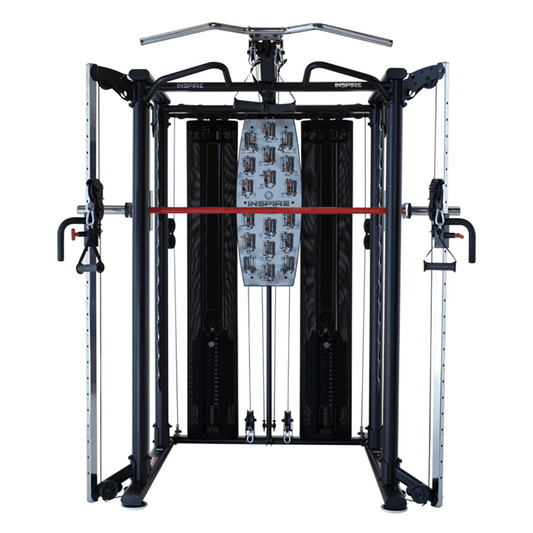
Explore our full range of racks, smith machines, and cages to find the perfect fit for your training style.
Safety & Load Capacity Comparison
Safety is paramount when lifting heavy weights. Here's how these commercial gym rack equipment options compare:
Power Rack Safety Features:
- Adjustable safety bars (spotter arms) on both sides
- Enclosed design prevents bar roll-off
- Load capacity: Typically 450-680kg (1,000-1,500 lbs)
- Four-post stability for maximum confidence during max lifts
- Better for training alone without a spotter
Half-Rack Safety Features:
- Spotter arms available but may require separate purchase
- Open design requires more awareness during lifts
- Load capacity: Usually 340-450kg (750-1,000 lbs)
- Two-post design still very stable when properly anchored
- Recommended to have a training partner for maximum lifts
For serious powerlifting or solo training, a power rack's safety features provide crucial peace of mind.
Best Choice for Home vs Commercial Gyms
Home Gym Power Rack Considerations:
A home gym power rack is ideal if you have:
- Dedicated gym space with adequate ceiling height
- Focus on heavy compound lifts (squats, bench, deadlifts)
- Train alone frequently and need maximum safety
- Budget for a comprehensive strength training setup
- Long-term commitment to progressive strength training
Half-Rack for Home Gyms:
Choose a half-rack if you:
- Have limited space or lower ceilings
- Prefer functional fitness and varied training styles
- Want easier access for Olympic lifts and dynamic movements
- Need a more budget-friendly option
- Plan to train with a partner or spotter
Commercial Gym Considerations:
Commercial facilities often benefit from having both options. Power racks serve serious lifters and powerlifters, while half-racks accommodate functional training areas and group classes. The choice depends on your member demographics and available floor space.
Which Rack Should You Choose? Final Recommendation
The power rack vs half-rack decision ultimately comes down to your specific needs:
Choose a Power Rack if:
- Safety is your top priority for solo heavy lifting
- You have adequate space and ceiling height (8+ feet)
- Your focus is traditional strength training and powerlifting
- You want maximum versatility with attachments and accessories
- Budget allows for a premium, long-term investment
Choose a Half-Rack if:
- Space is limited or you have lower ceilings
- You prefer functional fitness, CrossFit, or varied training
- You typically train with a partner or spotter
- You want a more affordable entry point to rack training
- Quick exercise transitions are important to your workflow
Both options are excellent investments in your fitness journey. Consider your space, training style, safety needs, and budget to make the right choice.
Ready to upgrade your gym? Browse our complete selection of strength training racks and cages at Sole Fitness Singapore, or contact our team for personalized recommendations based on your specific requirements.