

1. Introduction: Why Strength Equipment Maintenance Matters
For gym owners in Singapore, strength training equipment is one of the most significant investments you'll make. Whether you run a boutique studio, a commercial gym, or a corporate wellness facility, the condition of your strength equipment directly impacts member safety, satisfaction, and your bottom line.
Yet maintenance is often reactive — addressed only when something breaks. This approach is costly. A snapped cable on a cable machine mid-session, a cracked weight stack guide rod, or a seized barbell collar are not just inconveniences; they're liability risks. Preventive strength equipment maintenance is the professional standard — and in Singapore's humid climate, it's non-negotiable.
This guide covers everything gym owners need to know: what to maintain, warning signs to watch for, a practical checklist, and when to call in professional servicing.
2. Types of Strength Equipment That Require Regular Maintenance
Not all strength equipment has the same maintenance demands. Here's a breakdown by category:
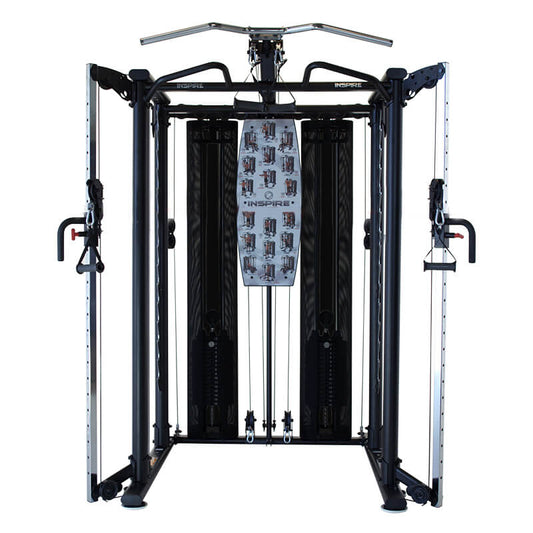
Cable Machines & Functional Trainers
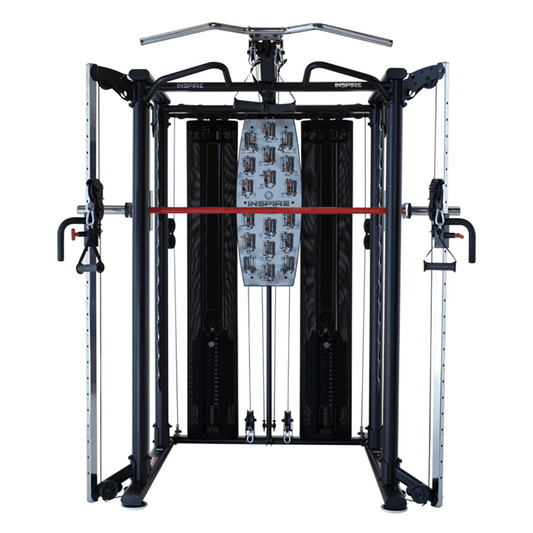
Cable systems are among the most mechanically complex pieces of strength equipment. Pulleys, cables, weight stacks, and guide rods all require regular inspection. A comprehensive cable machine maintenance guide should cover cable tension checks, pulley lubrication, and weight stack pin alignment.
Plate-Loaded & Selectorised Machines
Selectorised machines (leg press, chest press, lat pulldown) have multiple moving parts — guide rods, pivot points, upholstery, and selector pins. Plate-loaded equipment requires inspection of pivot bearings and frame welds.
Free Weights & Racks
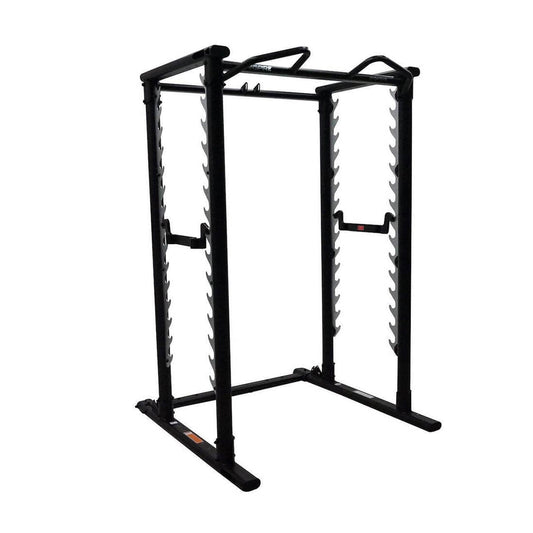
Power racks, squat stands, and barbell systems may appear low-maintenance, but bolt torque, J-hook rubber, and barbell sleeve bearings all degrade over time — especially under heavy commercial use.
Benches & Upholstery
Torn or compressed padding is a hygiene and safety issue. Bench frames should be checked for weld integrity and wobble.
Smith Machines & Multi-Stations
Smith machine guide rails require regular cleaning and lubrication. Multi-station units have numerous cable runs and pulleys that must be inspected as a system.
Explore our full range of commercial strength equipment to understand the scope of what professional-grade maintenance covers.
3. Common Strength Equipment Problems & Warning Signs
Catching problems early prevents costly repairs and equipment downtime. Train your staff to recognise these warning signs:
- Unusual noises: Grinding, squeaking, or clicking during use indicates worn bearings, dry pulleys, or misaligned components.
- Cable fraying or kinking: Even minor fraying on a cable machine is a red flag — cables under load can snap without warning.
- Sticky or uneven weight stack movement: Suggests guide rod wear, debris buildup, or bent rods.
- Loose bolts or wobbling frames: Structural instability is an immediate safety concern.
- Torn upholstery: Beyond aesthetics, exposed foam harbours bacteria and indicates the bench may need padding replacement.
- Stiff or jerky cable movement: Often caused by dry or damaged pulleys — a key item in any cable machine maintenance guide.
- Rust or corrosion: Singapore's humidity accelerates oxidation on exposed metal surfaces, particularly on weight stacks and guide rods.
4. Essential Maintenance Checklist for Gym Owners
Use this maintenance checklist for gym equipment as your baseline. Adapt frequency based on usage volume.
Daily
- Wipe down all equipment surfaces with appropriate disinfectant
- Inspect cables visually for fraying or kinking
- Check that all selector pins and weight stack components are seated correctly
- Listen for unusual sounds during member use
Weekly
- Inspect upholstery for tears, compression, or hygiene issues
- Check bolt tightness on racks, benches, and multi-stations
- Wipe down guide rods and apply appropriate lubricant
- Inspect pulley wheels for wear or misalignment
- Test all cable machine movements through full range of motion
Monthly
- Lubricate all pivot points, bearings, and guide rods
- Inspect weight stack guide rods for straightness and surface condition
- Check barbell sleeve bearings and collars
- Inspect frame welds on all equipment
- Review and tighten all structural bolts to manufacturer torque specs
Quarterly / Bi-Annually
- Full cable replacement assessment — replace proactively, not reactively
- Professional inspection by a certified technician
- Upholstery replacement where needed
- Deep clean of weight stacks, guide rods, and internal components
For a professional assessment of your facility's maintenance needs, visit our gym equipment service and maintenance page.
5. Repair vs Replacement: What's the Right Decision?
One of the most common questions gym owners face is: when to repair or replace gym equipment? There's no universal answer, but here's a practical framework:
Repair When:
- The equipment is less than 5–7 years old and structurally sound
- The fault is isolated (e.g., a single cable, pulley, or upholstery panel)
- Replacement parts are available and cost-effective
- The repair cost is less than 40–50% of replacement cost
- The equipment brand has strong local service support in Singapore
Replace When:
- The frame is cracked, bent, or structurally compromised
- Repair costs are recurring and accumulating
- Parts are discontinued or unavailable locally
- The equipment is over 8–10 years old with heavy commercial use
- Safety cannot be guaranteed even after repair
- Downtime is impacting member experience and retention
When in doubt, get a professional assessment. A qualified technician offering strength equipment repair services can give you an honest cost-benefit analysis before you commit to either path.
6. Why Professional Maintenance Services in Singapore Are Worth It
Singapore's climate presents unique challenges for gym equipment. High ambient humidity — averaging 80–90% year-round — accelerates corrosion, degrades lubricants faster, and promotes mould growth in upholstery. This makes gym equipment preventive maintenance not just best practice, but a climate necessity.
Here's why professional strength equipment servicing Singapore delivers value that in-house cleaning alone cannot:
- Trained technicians identify failure points invisible to untrained staff
- Manufacturer-grade lubricants and parts ensure longevity and warranty compliance
- Documented service records support insurance claims and liability management
- Scheduled servicing contracts reduce emergency repair costs and equipment downtime
- Local expertise means faster response times and familiarity with Singapore's regulatory and operational environment
Whether you manage a single studio or a multi-location commercial gym, investing in professional gym equipment repair Singapore and preventive servicing is a business decision — not just a maintenance one.
Ready to protect your equipment investment? Learn more about our professional gym equipment servicing in Singapore or browse our commercial strength equipment range.
