

Choosing the right gym flooring isn't just about aesthetics — thickness is one of the most critical factors affecting safety, performance, and longevity. Whether you're outfitting a home gym or a commercial facility, this guide breaks down everything you need to know about gym flooring thickness.
1. Why Gym Flooring Thickness Matters
Gym flooring thickness directly impacts shock absorption, joint protection, equipment stability, and subfloor preservation. Too thin, and you risk injury and floor damage. Too thick, and you may compromise stability for certain exercises like weightlifting or functional training.
The right thickness creates a safe training environment by cushioning impact forces — protecting both the athlete and the surface beneath. It also reduces noise transmission, which is especially important in multi-storey buildings or shared spaces.
Key reasons thickness matters:
- Joint protection: Adequate cushioning reduces stress on knees, hips, and ankles during high-impact movements.
- Equipment stability: Thicker flooring can cause instability under barbells and racks if not matched to the workout type.
- Subfloor protection: Prevents damage from dropped weights and heavy equipment.
- Noise and vibration control: Denser, thicker rubber absorbs more sound and vibration.
2. Standard Gym Flooring Thickness Options Explained
Rubber gym flooring is available in a range of thicknesses, each suited to different applications:
- 6mm (¼ inch): Entry-level thickness. Suitable for light cardio areas, yoga, or stretching zones. Minimal shock absorption — not recommended for weight training.
- 8–10mm: A versatile mid-range option for general fitness areas, light free weights, and cardio equipment. Good balance of cushioning and stability.
- 12–15mm (½ inch): Ideal for functional training, CrossFit-style workouts, and moderate weightlifting. Provides solid shock absorption without excessive give.
- 20mm (¾ inch): Recommended for heavy free weight zones and powerlifting platforms. Excellent impact protection for dropped weights.
- 30–40mm (1–1.5 inches): Heavy-duty commercial-grade thickness for Olympic lifting platforms, strongman training, and high-drop zones.
3. Best Thickness Based on Workout Type
Different training disciplines demand different levels of cushioning and stability. Here's a quick reference:
- Yoga & Pilates: 6–8mm — minimal cushioning, firm surface for balance.
- Cardio & Aerobics: 8–10mm — moderate shock absorption for repetitive impact.
- Functional Training / CrossFit: 12–15mm — handles dynamic movements, jumps, and moderate drops.
- Weightlifting & Powerlifting: 20mm+ — essential for gym mat thickness for heavy weights and dropped barbells.
- Olympic Lifting Platforms: 30–40mm (often layered) — maximum protection for high-force drops.
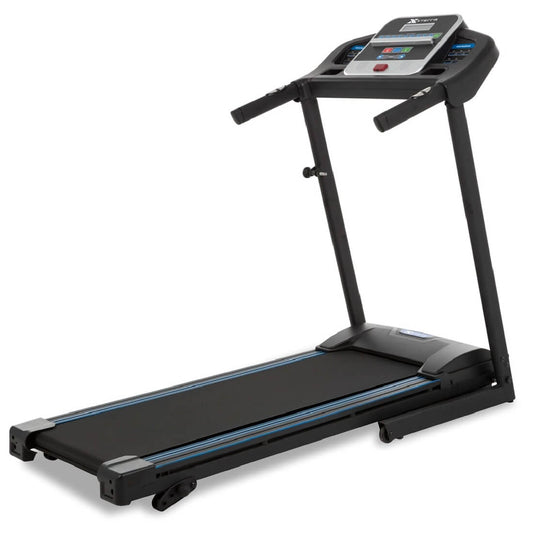
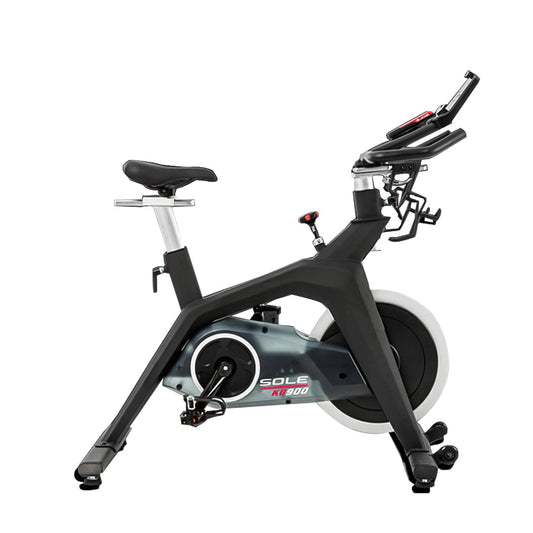
- Cycling / Treadmill Zones: 8–10mm — stable base with enough cushion to dampen machine vibration.
4. Home Gym vs Commercial Gym: Thickness Guide
Home Gym Flooring Thickness
For home gyms, the primary concerns are subfloor protection (especially on timber or concrete), noise reduction for neighbours, and versatility across workout types. Most home gym setups benefit from:
- General home gym: 10–15mm rubber flooring — covers most workout types without over-engineering.
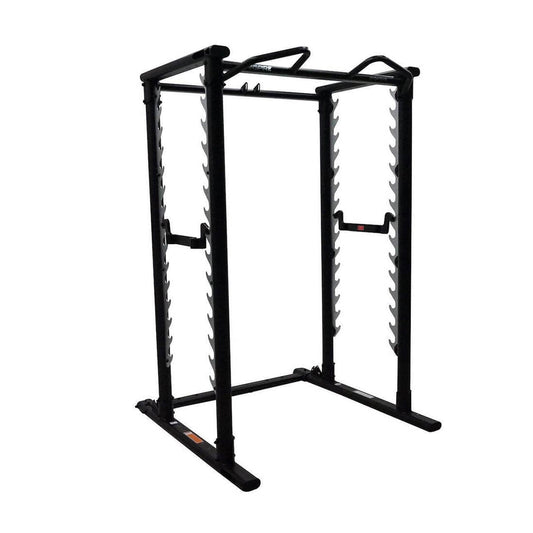
- Home weightlifting area: 20mm+ — especially if dropping weights or using a barbell rack.
- Apartment/HDB gyms: 15–20mm with high-density rubber — prioritise noise and vibration dampening.
Commercial Gym Flooring Thickness
Commercial gym flooring thickness must account for heavy foot traffic, diverse equipment loads, and long-term durability. Recommended specifications:
- General training floor: 12–15mm — durable, easy to maintain, handles mixed use.
- Free weight zones: 20mm — protects subfloor from plate drops and rack feet.
- Olympic lifting / strongman: 30–40mm or custom platform builds.
- Cardio zones: 8–10mm — stable surface for treadmills, bikes, and rowers.
5. How to Choose the Right Thickness (Buying Guide)
Use this gym flooring buying guide to narrow down your selection:
- Identify your primary workout type. This is the single biggest factor. Match thickness to the highest-impact activity you'll perform.
- Assess your subfloor. Concrete subfloors are unforgiving — go thicker. Timber or suspended floors benefit from extra cushioning and vibration control.
- Consider your space. Thicker flooring raises floor height slightly — account for door clearances and equipment levelling.
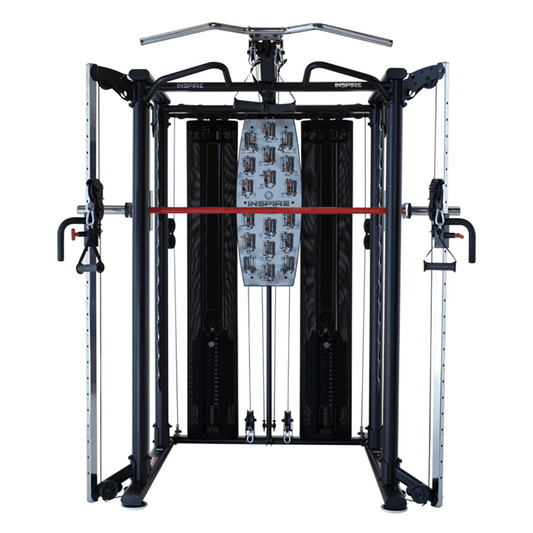
- Check equipment weight. Heavy racks, cable machines, and plate storage require a stable, firm surface — avoid going too thick in these zones.
- Evaluate density, not just thickness. High-density rubber at 15mm often outperforms low-density rubber at 20mm for shock absorption gym flooring performance.
- Budget for the right spec. Undersizing to save cost often leads to premature replacement. Invest in the correct thickness from the start.
Browse our full range of gym flooring options to find the right thickness for your setup.
6. Common Mistakes to Avoid When Choosing Thickness
- Going too thin for heavy weights: 6–8mm rubber will compress and crack under repeated barbell drops. Always use 20mm+ in weight zones.
- Over-specifying for cardio areas: Excessively thick flooring under treadmills can cause instability and uneven wear.
- Ignoring density: Thickness without adequate density provides poor shock absorption. Always check the kg/m³ density rating.
- Mixing incompatible thicknesses: Uneven floor heights between zones create trip hazards. Use bevelled edge tiles or transition strips.
- Skipping subfloor assessment: Installing rubber flooring for gym use over a damaged or uneven subfloor will cause premature failure regardless of thickness.
- Choosing aesthetics over function: Colour and texture matter, but never at the expense of the correct thickness specification.
Final Thoughts
Getting gym flooring thickness right is a foundational decision — one that affects safety, performance, and the longevity of both your flooring and your equipment. Use the guidelines above to match thickness to your specific training environment, and don't hesitate to consult with a specialist if you're outfitting a commercial facility.
Ready to find the best flooring for weightlifting or your home gym setup? Explore our gym flooring collection and get expert advice tailored to your space.